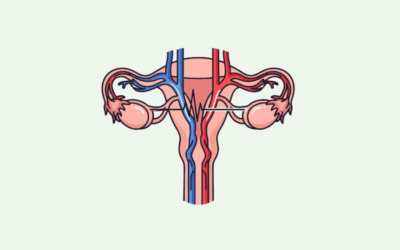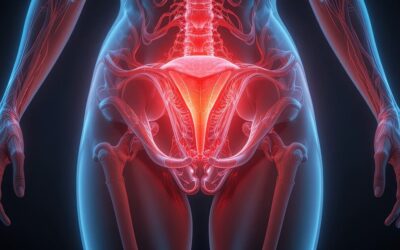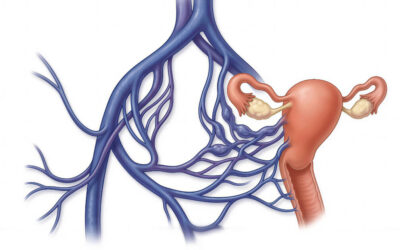
Chronic pelvic pain can be frustrating, especially when symptoms persist without a clear explanation. Many women spend months or even years searching for answers, often seeing multiple providers before identifying the root cause. While pelvic pain can have several possible origins, one area that is sometimes overlooked is the vascular system, the network of veins and arteries that help regulate blood flow throughout the body.
Vascular specialists play an important role in diagnosing pelvic pain when it may be related to pelvic venous disease or other circulation-related conditions. By using advanced imaging and a focused, step-by-step approach, they can help uncover causes that might not be visible through standard evaluations.
Why Chronic Pelvic Pain Can Be Difficult to Diagnose
Pelvic pain is not always tied to a single condition. In many cases, symptoms may overlap between gynecological, musculoskeletal, and vascular issues. This can make it challenging to determine exactly what is causing discomfort.
Some patients may initially be evaluated for:
- Hormonal or menstrual-related conditions
- Muscular or pelvic floor dysfunction
- Gastrointestinal concerns
While these are all important areas to consider, vascular causes, such as pelvic venous disease, May-Thurner Syndrome, or renal vein compression (Nutcracker Syndrome), may not always be identified early in the process.
Because of this, a more specialized evaluation is sometimes needed to fully understand what may be contributing to ongoing symptoms.
The Role of a Vascular Specialist
A vascular specialist focuses on how blood flows through the body, including the veins within the pelvis. When pelvic pain may be related to circulation, these specialists evaluate whether veins are functioning properly, whether blood is flowing efficiently, and whether there are signs of pressure or compression.
Their goal is not only to identify a diagnosis, but to understand how vascular changes may be contributing to symptoms such as:
- Persistent pelvic aching or pressure
- Discomfort that worsens throughout the day
- Pain after long periods of standing or sitting
- Symptoms that fluctuate without a clear pattern
By approaching pelvic pain from a vascular perspective, specialists can often provide new insights for patients who have not yet found answers.
Step 1: A Detailed Medical History
The diagnostic process typically begins with a thorough conversation about symptoms, health history, and daily experiences.
During this stage, the specialist may ask:
- When symptoms first began
- What the pain feels like (aching, pressure, heaviness)
- Whether symptoms change with activity or position
- How symptoms affect daily life
This discussion helps identify patterns that may suggest a vascular cause. For example, pain that worsens after prolonged standing or improves when lying down can sometimes point toward venous involvement.
Equally important, this step allows patients to feel heard and understood, an essential part of the diagnostic journey.
Step 2: Physical Evaluation
A physical exam may be performed to assess areas of tenderness, circulation, and overall pelvic health. While physical findings alone may not confirm a diagnosis, they can provide additional clues that guide the next steps.
In some cases, specialists may also look for signs of:
- Visible or external varicose veins
- Swelling or asymmetry
- Areas of localized discomfort
These observations help build a more complete picture of what may be happening beneath the surface.
Step 3: Advanced Imaging with MRI
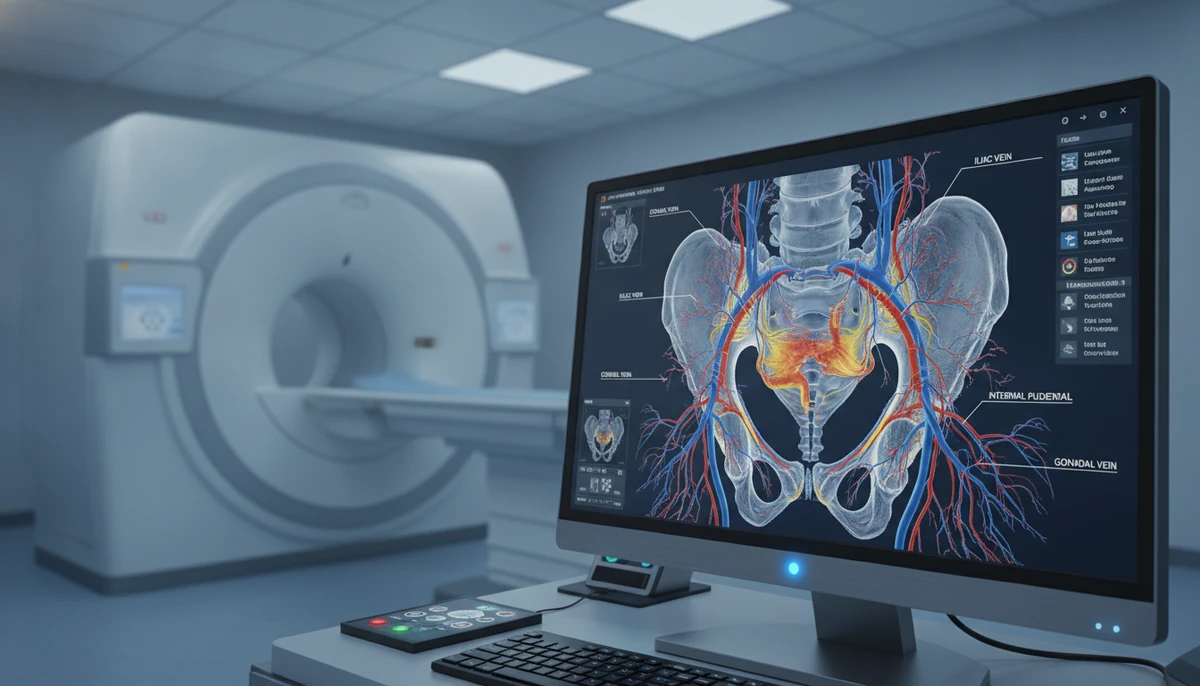
One of the most important tools in diagnosing vascular causes of pelvic pain is magnetic resonance imaging (MRI). This type of imaging allows specialists to see detailed views of the pelvic veins and surrounding structures.
MRI can help identify:
- Enlarged or dilated veins
- Areas where blood flow may be slowed or reversed
- Signs of vein compression
- Structural changes affecting circulation
Because MRI does not rely on invasive techniques, it offers a non-surgical, highly informative way to evaluate pelvic blood flow.
This step is often key in confirming whether conditions like pelvic venous disease are present.
Step 4: Identifying Contributing Conditions
In some cases, imaging may reveal additional factors that influence blood flow within the pelvis.
For example:
- Pelvic venous congestion occurs when blood does not drain efficiently from the pelvis, leading to enlarged veins, increased venous pressure, and blood pooling that may contribute to chronic pelvic pain, pressure, or heaviness.
- May-Thurner Syndrome involves compression of a pelvic vein, which can affect circulation and increase pressure
- Nutcracker Syndrome occurs when the renal vein is compressed, potentially impacting blood flow and contributing to pelvic symptoms
These conditions may exist alongside pelvic venous disease or contribute to the same pattern of symptoms. Identifying them helps ensure that the diagnosis is complete and that any future care is properly tailored.
Step 5: Collaborative Evaluation
Chronic pelvic pain often involves more than one contributing factor. That’s why vascular specialists frequently take a collaborative approach, working with other providers when appropriate.
This may include coordination with:
- OB-GYN physicians
- Pelvic floor therapists
- Primary care providers
- Other specialists depending on need
This team-based approach helps ensure that all aspects of a patient’s symptoms are considered. This includes not just vascular, but also muscular, hormonal, and structural influences.
Why Accurate Diagnosis Matters
Receiving a clear diagnosis can be an important turning point for patients. It not only provides an explanation for symptoms but also helps guide next steps.
When vascular causes of pelvic pain are identified:
- Patients gain a better understanding of what their body is experiencing
- Treatment options can be explored with more confidence
- Care plans can be tailored to the underlying issue
Even when symptoms are complex, having clarity can make a meaningful difference in how patients move forward.
Finding Answers and Moving Forward
Living with chronic pelvic pain can feel overwhelming, especially when the cause is not immediately clear. Many patients experience uncertainty before discovering that vascular conditions may be contributing to their symptoms.
The diagnostic process used by vascular specialists is designed to bring clarity to that uncertainty. Through careful evaluation, advanced imaging, and collaboration with other providers, it becomes possible to better understand what is happening and what options may be available.
At California Pelvic Pain Institute, the focus is on helping patients feel supported, informed, and confident as they take the next steps toward relief. While every patient’s experience is unique, identifying the root cause of pelvic pain is often the first step toward improving comfort and quality of life. Contact us today to learn more.