
Chronic pelvic pain can be difficult to describe and even more difficult to diagnose. For many women, symptoms are ongoing, frustrating, and often misunderstood. One potential cause of persistent pelvic discomfort is Pelvic Congestion Syndrome (PCS), a vascular condition that affects the veins in the pelvis.
If you’ve been experiencing unexplained pelvic pain that hasn’t improved with traditional treatments, learning more about pelvic congestion syndrome may help you find answers and relief.
At California Pelvic Pain Institute, we specialize in diagnosing and treating vascular conditions like PCS using minimally invasive, image-guided procedures designed to restore healthy blood flow and improve quality of life.
What Is Pelvic Congestion Syndrome?
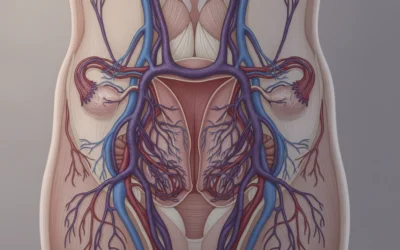
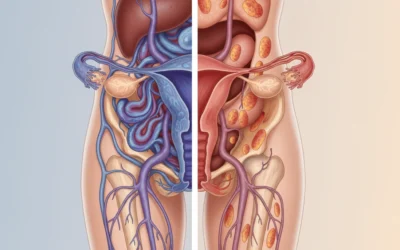
Pelvic Congestion Syndrome occurs when veins in the pelvis become enlarged and inefficient, leading to blood pooling and increased pressure in the lower abdomen. This happens when small valves inside the veins weaken or fail, allowing blood to flow backward instead of returning properly to the heart.
Over time, this pooling of blood causes:
- Enlarged pelvic veins (similar to varicose veins in the legs)
- Increased venous pressure
- Inflammation and discomfort
Pelvic congestion syndrome is most commonly seen in women between the ages of 20 and 50, particularly those who have had multiple pregnancies.
What Causes Pelvic Congestion Syndrome?
Several factors may contribute to PCS:
Pregnancy
Pregnancy increases blood volume and places additional pressure on pelvic veins. Hormonal changes also relax vein walls, making them more prone to enlargement.
Hormonal Influences
Estrogen can weaken vein walls and contribute to vein dilation. This is one reason PCS primarily affects women of reproductive age.
Genetics
A family history of varicose veins or venous insufficiency may increase the likelihood of developing PCS.
Structural Changes
In some cases, compression of pelvic veins by nearby structures can disrupt normal blood flow.
Understanding the underlying cause is important in determining the most effective treatment approach.
Symptoms of Pelvic Congestion Syndrome
The most common symptom of PCS is chronic pelvic pain lasting longer than six months. The pain is often described as:
- Dull or aching
- A sense of heaviness or fullness in the pelvis
- Worsening at the end of the day
- More noticeable after prolonged standing
- Increased discomfort during or after intercourse
Other symptoms may include:
- Lower back pain
- Pain before or during menstruation
- Visible varicose veins in the buttocks, upper thighs, or vaginal area
- Mild swelling in the pelvic region
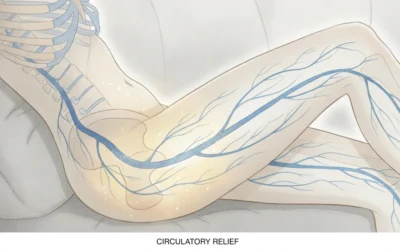
One hallmark sign of PCS is that pain often improves when lying down, as this reduces pressure in the pelvic veins.
Because these symptoms overlap with gynecological and gastrointestinal conditions, pelvic congestion syndrome is sometimes underdiagnosed.
Is Pelvic Congestion Syndrome Dangerous?
Pelvic congestion syndrome is not typically life-threatening, but it can significantly impact daily life. Chronic pain can affect:
- Physical activity
- Sleep quality
- Emotional well-being
- Intimacy
- Work and social engagement
Many women feel discouraged when their symptoms persist without a clear explanation. Receiving an accurate diagnosis can provide both validation and a path forward.
Why Can Pelvic Congestion Syndrome Be Difficult to Diagnose?
Pelvic pain is complex because many structures and systems occupy a relatively small area of the body.
Gynecological conditions, pelvic floor dysfunction, gastrointestinal issues, urinary conditions, and vascular disorders can sometimes produce overlapping symptoms. More than one condition can also be present at the same time.
As a result, women with chronic pelvic pain may see multiple healthcare providers before a vascular cause is considered.
This does not mean that previous evaluations were unnecessary. Instead, it demonstrates why pelvic pain often benefits from a multidisciplinary approach that considers several potential contributors.
How Is Pelvic Congestion Syndrome Diagnosed?
Diagnosis begins with a detailed review of symptoms and medical history. If PCS is suspected, imaging studies may be recommended to evaluate blood flow in the pelvic veins.
Common diagnostic tools include:
- Pelvic ultrasound to detect enlarged veins
- CT scan or MRI to visualize pelvic anatomy
- Venography, a specialized imaging test that provides detailed information about vein function
Venography is often considered the most definitive way to confirm pelvic venous insufficiency.
Accurate diagnosis ensures that treatment targets the true source of pain.
The goal is not simply to identify enlarged veins. Physicians need to understand why the abnormal circulation is occurring and whether those findings correspond with the patient’s symptoms. That distinction helps guide a more individualized approach to care.
Treatment Options for Pelvic Congestion Syndrome
Treatment depends on the severity of symptoms and the degree of venous dysfunction.
Conservative Management
For mild symptoms, conservative approaches may help:
- Avoiding prolonged standing
- Regular low-impact exercise
- Anti-inflammatory medications
- Compression therapy (in some cases)
However, if symptoms persist or significantly impact quality of life, minimally invasive treatment may be recommended.
Pelvic Vein Embolization: A Minimally Invasive Solution
The most effective and widely used treatment for pelvic congestion syndrome is pelvic vein embolization.
This outpatient, image-guided procedure works by closing off the malfunctioning veins responsible for blood pooling. A small catheter is inserted through a tiny incision, typically in the wrist or groin, and guided to the affected pelvic veins. Tiny coils or embolic materials are then placed to redirect blood flow into healthy veins.
Key benefits of embolization include:
- No major surgery
- No large incisions
- Same-day discharge
- Gradual improvement in symptoms
- Preservation of normal pelvic structures
Over time, as circulation improves and pressure decreases, many patients experience meaningful relief from chronic pelvic pain.
What to Expect After Treatment
Recovery is generally smooth. Some women may experience mild pelvic cramping or discomfort for a few days following the procedure. Most patients resume light activities quickly and return to normal routines within a short period.
Symptom improvement may occur gradually over several weeks as the body adapts to improved blood flow.
Long-term success rates for embolization are encouraging, with many women reporting sustained relief and improved daily comfort.
Can Treating Pelvic Veins Help Other Symptoms?
Pelvic venous disorders can sometimes interact with other pelvic conditions. Increased venous pressure, discomfort, and inflammation may aggravate symptoms that are also being influenced by pelvic floor dysfunction or other conditions.
Addressing an underlying vascular problem may therefore improve more than one aspect of a patient’s discomfort. However, vascular treatment does not necessarily address every possible source of pelvic pain. This is where coordinated care becomes particularly valuable.
At California Pelvic Pain Institute, we recognize that patients may benefit from collaboration among vascular specialists, OB-GYN physicians, pelvic floor therapists, and other providers who understand different components of pelvic health.
The objective is not simply to treat an imaging finding. It is to understand the patient as a whole and determine which factors may be contributing to her symptoms.
When Should You Seek Medical Evaluation?
You should consider seeing a vascular specialist if you experience:
- Pelvic pain lasting more than six months
- Pain that worsens after standing
- Unexplained pelvic heaviness or pressure
- Discomfort during intimacy
- Visible pelvic varicose veins
Early evaluation allows for a comprehensive assessment and discussion of appropriate treatment options.
Pelvic Congestion Syndrome Treatment in Irvine, CA
At California Pelvic Pain Institute, we provide expert evaluation and minimally invasive treatment for pelvic congestion syndrome and other vascular conditions affecting women’s health. Our approach focuses on restoring healthy blood flow while prioritizing comfort, clarity, and individualized care.
We understand how challenging chronic pelvic pain can be, and we’re here to help you explore safe and effective treatment options.
Finding Relief from Chronic Pelvic Pain
Pelvic Congestion Syndrome is a real and treatable cause of chronic pelvic pain. While symptoms can be persistent, modern minimally invasive procedures offer hope for lasting relief.
If you’ve been living with unexplained pelvic discomfort, contact us today for a vascular evaluation that may provide the clarity and direction you’ve been searching for. With the right diagnosis and treatment plan, many women are able to move forward with greater comfort and confidence.