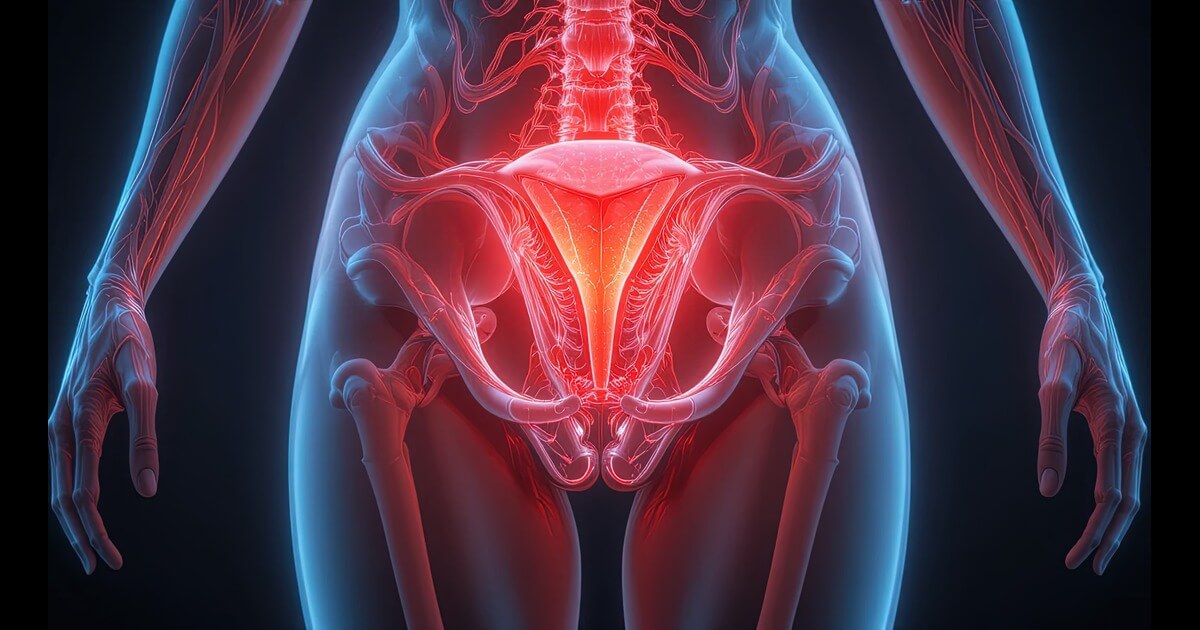
Chronic pelvic pain can be frustrating, confusing, and emotionally draining, especially when answers are hard to find. Many women are told their symptoms are hormonal, digestive, or simply “part of being a woman.” But in some cases, the underlying cause may be a vascular condition known as Pelvic Venous Disease (PVD).
If you’ve been living with persistent pelvic discomfort and haven’t found relief, understanding pelvic venous disease and venous disease treatment may help you take the next step toward clarity and treatment.
At California Pelvic Pain Institute, we specialize in diagnosing and treating vascular conditions like PVD using minimally invasive techniques designed to restore comfort and improve quality of life.
What Is Pelvic Venous Disease?
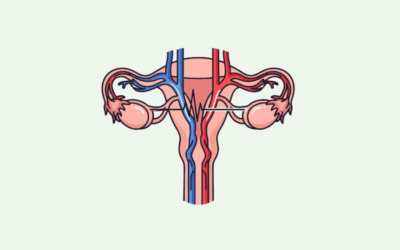
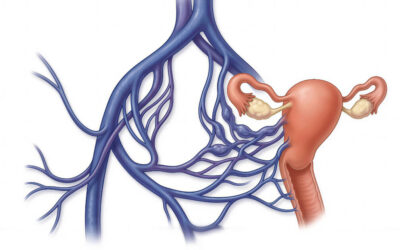
Pelvic Venous Disease (PVD) occurs when veins in the pelvis become enlarged and inefficient at returning blood to the heart. Over time, this can lead to blood pooling in the pelvic veins, causing pressure, inflammation, and chronic pain.
You may also hear PVD referred to as:
- Pelvic congestion syndrome (PCS)
- Pelvic varicose veins
- Pelvic venous insufficiency
- Iliac Vein Compression
These terms describe variations of the same underlying issue: improper blood flow in the pelvic veins.
In some cases, pelvic venous disease may be influenced by underlying vascular conditions such as iliac vein compression (May-Thurner Syndrome) or renal vein compression (Nutcracker Syndrome). These conditions can affect how blood moves through the pelvis, contributing to increased pressure and worsening symptoms.
Unlike acute pain that comes and goes, pelvic venous disease typically causes long-lasting, dull, or heavy discomfort that may worsen over time.
Why Does Pelvic Venous Disease Happen?
Pelvic veins contain small valves that help blood flow upward toward the heart. When these valves weaken or fail, blood can flow backward and accumulate in the veins, causing them to stretch and enlarge.
Several factors may increase the risk of developing pelvic venous disease:
- Pregnancy: Increased blood volume and hormonal changes can weaken vein walls.
- Multiple pregnancies: Repeated strain on pelvic veins may contribute to valve dysfunction.
- Hormonal influences: Estrogen can relax vein walls, making them more prone to enlargement.
- Genetics: A family history of varicose veins or venous insufficiency may increase risk.
Pelvic venous disease is most common in women between the ages of 20 and 50, particularly those who have had children.
Symptoms of Pelvic Venous Disease
The hallmark symptom of PVD is chronic pelvic pain lasting more than six months. However, symptoms can vary from person to person.
Common signs include:
- A dull, aching pain in the lower abdomen or pelvis
- A feeling of heaviness or fullness in the pelvis
- Pain that worsens after long periods of standing
- Discomfort during or after intercourse
- Worsening symptoms before or during menstruation
- Visible varicose veins in the buttocks, thighs, or vaginal area
The pain often improves when lying down, as this reduces pressure in the pelvic veins.
Because these symptoms overlap with gynecological, gastrointestinal, and musculoskeletal conditions, pelvic venous disease is sometimes overlooked or misdiagnosed.
How Is Pelvic Venous Disease Diagnosed?
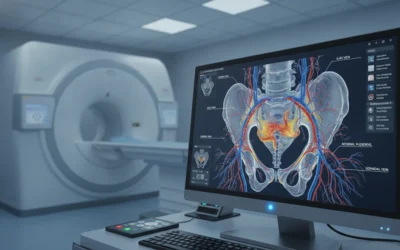
A proper diagnosis begins with a detailed medical history and symptom discussion. If pelvic venous disease is suspected, imaging studies may be recommended to evaluate blood flow in the pelvic veins.
Common diagnostic tools include:
- Pelvic ultrasound
- CT scan or MRI
- Venography (a specialized imaging test that evaluates vein function)
These imaging techniques help identify enlarged veins, abnormal blood flow patterns, and areas of venous reflux (backward flow).
Accurate diagnosis is essential because chronic pelvic pain can have many causes. Identifying PVD allows for targeted, effective treatment.
Is Pelvic Venous Disease Dangerous?
Pelvic venous disease is not typically life-threatening. However, it can significantly affect daily comfort, emotional well-being, and overall quality of life.
Chronic pelvic pain can interfere with:
- Work and physical activity
- Sleep
- Intimacy
- Mental health
Many women report feeling discouraged or unheard before receiving a diagnosis. Understanding that PVD is a real, treatable medical condition can be an important step toward relief.
Treatment Options for Pelvic Venous Disease
The good news is that pelvic venous disease is treatable, and often without major surgery.
Conservative Management
In mild cases, lifestyle changes may help manage symptoms:
- Avoiding prolonged standing
- Wearing compression garments
- Regular exercise to improve circulation
- Anti-inflammatory medications
However, when symptoms persist, minimally invasive procedures may offer more lasting relief.
Pelvic Vein Embolization: A Minimally Invasive Solution
One of the most effective treatments for pelvic venous disease is pelvic vein embolization.
This outpatient, image-guided procedure works by closing off the malfunctioning veins responsible for blood pooling. A small catheter is inserted through a tiny incision, typically in the wrist or groin, and guided to the affected veins. Tiny coils or medical agents are then placed to redirect blood flow to healthy veins.
The result is:
- Reduced pelvic pressure
- Improved circulation
- Decreased pain over time
Pelvic vein embolization does not require large incisions, and most patients return home the same day.
What to Expect After Treatment
Recovery from embolization is generally smooth. Some patients may experience mild cramping or temporary discomfort for a few days, but most return to normal activities quickly.
Symptom improvement often occurs gradually over several weeks as the body adjusts to improved circulation.
Many women report meaningful reductions in pelvic pain and an improved ability to resume normal activities after treatment.
When Should You See a Specialist?
If you’ve experienced chronic pelvic pain lasting more than six months and have not found answers through traditional gynecologic evaluation, it may be time to consider a vascular consultation.
You should seek evaluation if you experience:
- Persistent pelvic heaviness or aching
- Pain that worsens when standing
- Discomfort during intimacy
- Visible pelvic or upper thigh varicose veins
Early evaluation can help identify whether pelvic venous disease is contributing to your symptoms.
Pelvic Venous Disease Treatment in Irvine, CA
At California Pelvic Pain Institute, we understand how disruptive chronic pelvic pain can be. Our team specializes in diagnosing and treating vascular causes of pelvic discomfort using advanced, minimally invasive techniques in a supportive, patient-focused environment.
We offer thorough evaluations, personalized treatment planning, and timely appointments for women seeking answers.
A Path Toward Relief
Living with chronic pelvic pain can feel isolating, but you are not alone. Pelvic Venous Disease is a real, treatable condition that often goes undiagnosed. With proper evaluation and modern minimally invasive treatment options, many women experience significant improvement and renewed confidence in their daily lives.
If you suspect pelvic venous disease may be contributing to your symptoms, reaching out for a professional evaluation could be the first step toward lasting relief.