Pelvic pain can be difficult enough to manage without wondering why something as ordinary as standing makes it worse. You may feel relatively comfortable in the morning, only to notice aching, pressure, or heaviness building after spending several hours on your feet. Sitting or lying down may provide some relief, but the discomfort returns once you’re upright again.
This pattern can provide an important clue about what may be contributing to chronic pelvic pain. Although there are several possible explanations, pelvic pain that worsens with prolonged standing can sometimes be associated with pelvic venous disease, a group of conditions that affect blood flow through the veins of the pelvis.
Understanding why your position can influence your symptoms may help you know when it’s worth seeking a more specialized evaluation.
Why Can Standing Make Pelvic Pain Worse?
Gravity affects the way blood moves throughout your body. When you’re standing, veins in the lower body have to move blood upward toward the heart.
Healthy veins are designed to handle this challenge. Valves within the veins help keep blood moving in the right direction, while surrounding muscles assist circulation as you move.
If blood is not draining efficiently from the pelvis, however, spending extended periods upright may contribute to increased pressure within affected veins. That additional pressure can make existing symptoms more noticeable.
Some women describe the resulting sensation as:
- A deep pelvic ache
- Heaviness or fullness
- Pressure in the lower abdomen
- A dragging sensation
- Discomfort that gradually increases throughout the day
The fact that symptoms change with body position can be useful information to share with your healthcare provider.
Pelvic Venous Disease and Positional Pain
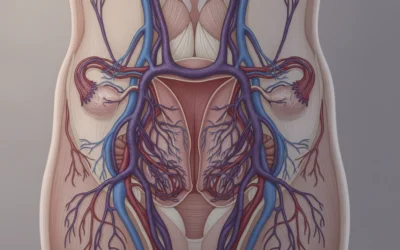
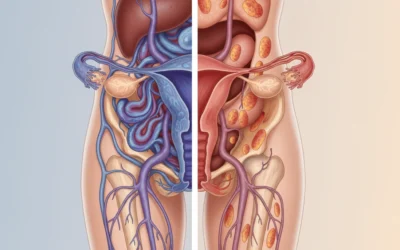
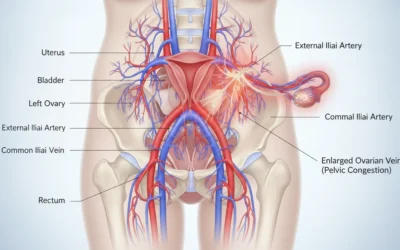
Pelvic venous disease occurs when normal blood flow through the veins in the pelvis becomes disrupted. Veins may become enlarged or experience increased pressure due to reflux, compression, or a combination of vascular changes.
Several conditions can contribute to this problem.
Gonadal vein insufficiency occurs when blood flows backward through veins that should be helping drain the ovaries.
May-Thurner Syndrome involves compression of the left iliac vein, which can interfere with normal venous circulation.
Renal vein compression, also known as Nutcracker Syndrome, can alter blood flow through the renal and connected pelvic veins.
These conditions have different underlying causes, but all can affect venous circulation and contribute to similar patterns of pelvic discomfort.
Why Might Pain Get Worse Later in the Day?
Some women with vascular-related pelvic pain notice another pattern: symptoms are relatively mild earlier in the day and gradually worsen by afternoon or evening.
Again, gravity may be part of the explanation.
After spending hours sitting upright, standing, walking, or performing everyday activities, pressure within affected pelvic veins may become more noticeable. By the end of the day, this can translate into increased aching, heaviness, or pressure.
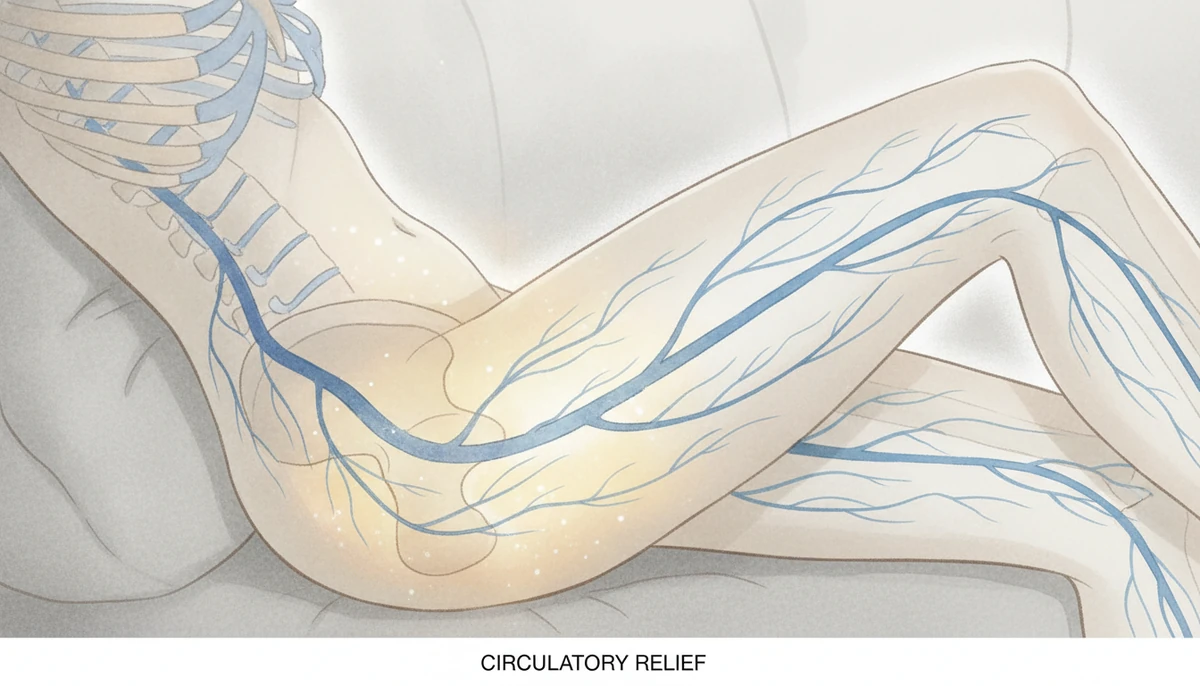
Lying down changes the effects of gravity on circulation, which may help explain why some patients notice improvement after resting.
This daily pattern does not confirm pelvic venous disease on its own, but it can be an important piece of the diagnostic picture.
Is Standing Pain Always Caused by a Vein Problem?
No. Pelvic pain that becomes worse while standing can have many potential causes, and symptoms alone cannot determine whether the problem is vascular. Muscles, joints, nerves, and reproductive organs can all contribute to pelvic discomfort.
For example, pelvic floor dysfunction may cause pain that changes with movement or posture. Gynecological conditions such as endometriosis or uterine fibroids can also produce pelvic pressure or pain. Musculoskeletal problems involving the hips, back, or abdominal wall may create symptoms that feel as though they originate within the pelvis.
This overlap is one reason chronic pelvic pain can take time to fully understand.
Rather than assuming that one symptom points to one diagnosis, a comprehensive evaluation considers the entire pattern.
Other Symptoms Worth Paying Attention To
If your pelvic pain becomes worse with standing, consider whether you’ve noticed other patterns as well.
Useful details may include:
- Whether lying down improves your discomfort
- Whether pain becomes worse as the day progresses
- A feeling of pelvic heaviness or fullness
- Pain during or after intercourse
- Lower abdominal aching
- Changes associated with your menstrual cycle
- Leg heaviness or swelling
- How long the symptoms have been present
Keeping track of these patterns can make conversations with your healthcare providers more productive. You don’t need to diagnose yourself. Simply describing when your symptoms happen and what makes them better or worse can provide valuable information.
How Are Vascular Causes of Pelvic Pain Evaluated?
When symptoms suggest that circulation may be contributing to chronic pelvic pain, a vascular evaluation can provide another perspective.
At California Pelvic Pain Institute, MRI imaging can be used to evaluate the veins within the abdomen and pelvis. This detailed imaging helps physicians look for changes such as enlarged veins, abnormal venous circulation, or areas of compression.
Imaging findings are considered alongside the patient’s symptoms and medical history. An abnormal-looking vein on an image does not automatically mean it is responsible for pain.
The goal is to determine whether the vascular findings make sense in the context of what the patient is actually experiencing.
Why a Multidisciplinary Approach Matters
Pelvic pain does not always belong to one medical specialty.
A patient might have a vascular condition contributing to pelvic pressure while also experiencing pelvic floor dysfunction. Another may have fibroids or endometriosis alongside a vascular issue. Treating one contributing condition may improve certain symptoms, while other concerns still require care.
For this reason, California Pelvic Pain Institute takes a collaborative approach to pelvic pain care, working with OB-GYN physicians, pelvic floor therapists, and other specialists when appropriate.
Each provider brings a different perspective. Together, those perspectives can help create a more complete understanding of why a patient is experiencing pain and what may help.
Can Vascular-Related Pelvic Pain Be Treated?
When evaluation identifies a vascular condition as a meaningful contributor to pelvic pain, minimally invasive treatment options may be available. The appropriate procedure depends on what is disrupting normal circulation.
For example, embolization may be used to address abnormal reflux through certain veins. During this image-guided procedure, a small catheter is used to reach the affected vein and redirect abnormal blood flow.
When symptoms are related to significant venous compression, venous stenting may be considered to help support the affected vein and improve circulation.
Treatment is individualized because different vascular problems require different tools and approaches.
When Should You Seek Help for Pelvic Pain While Standing?
An occasional ache after a long day does not necessarily indicate an underlying vascular condition. However, persistent or recurring symptoms deserve attention.
Consider talking with a healthcare provider if your pelvic pain:
- Has continued for several months
- Consistently becomes worse after standing
- Increases throughout the day
- Improves noticeably when you lie down
- Interferes with work, exercise, intimacy, or daily activities
- Remains unexplained after previous evaluations
You do not have to wait until pain becomes severe to ask for help.
Take the Next Step Toward Understanding Your Pelvic Pain
When standing, working, or simply going about your day consistently leaves you with pelvic aching or pressure, it can be frustrating to organize your life around your symptoms. Recognizing that your discomfort follows a pattern may also provide an important clue.
At California Pelvic Pain Institute, we specialize in evaluating vascular conditions that may contribute to chronic pelvic pain. Through advanced imaging and collaboration with OB-GYN physicians, pelvic floor therapists, and other specialists, we aim to help women better understand the complete picture behind their symptoms.
If your pelvic pain consistently gets worse when you stand or as the day progresses, schedule a consultation with California Pelvic Pain Institute. A specialized evaluation may help you find the answers you have been looking for and determine what options may help you move toward greater comfort.