Chronic pelvic pain is not always easy to explain. You may experience a persistent ache, pressure, or heaviness that seems to get worse throughout the day, yet routine evaluations do not reveal a clear cause. For some women, the missing piece may involve the veins within the pelvis.
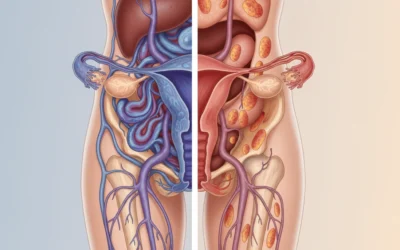
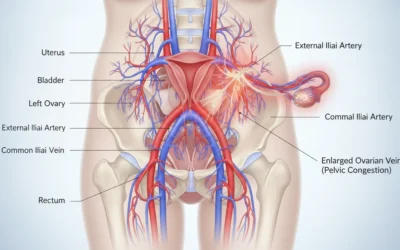
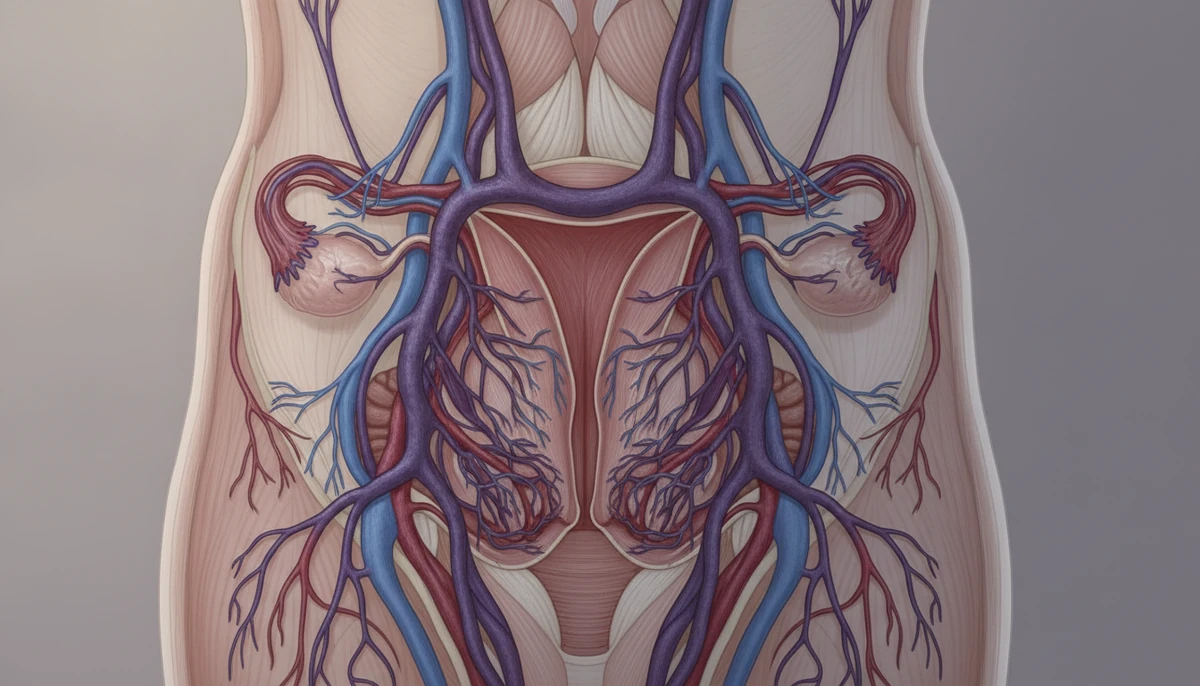
Pelvic congestion syndrome (PCS) is associated with abnormal blood flow and increased pressure within the pelvic venous system. When blood does not drain efficiently, pelvic veins can become enlarged and congested, potentially contributing to chronic pain and other symptoms.
PCS is only one possible cause of pelvic pain, and its symptoms often overlap with conditions such as endometriosis, uterine fibroids, and pelvic floor dysfunction. However, certain symptom patterns may suggest that a vascular evaluation is worth considering.
Here are some of the common signs that may be associated with pelvic congestion syndrome.
1. A Dull, Aching Pain in the Pelvis
One of the most commonly associated symptoms of pelvic congestion syndrome is a persistent dull or aching sensation in the lower abdomen or pelvis.
Rather than sharp pain that appears suddenly, vascular-related pelvic discomfort may feel more like an ongoing ache. Some women describe the sensation as pressure, fullness, or a deep discomfort that is difficult to pinpoint.
The pain may occur on one side, affect both sides, or feel more generalized throughout the pelvic region.
Because many conditions can cause chronic pelvic pain, this symptom alone does not mean you have PCS. The way the pain changes throughout the day can provide additional clues.
2. Pelvic Pain That Gets Worse When Standing
Does your pelvic discomfort become more noticeable after you have been standing for a long time?
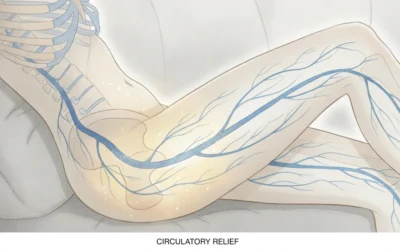
This can be an important symptom pattern to discuss with your healthcare provider. Gravity affects circulation whenever you are upright. Healthy veins help return blood toward the heart, but when pelvic venous drainage is impaired, spending extended periods standing may contribute to increased venous pressure.
As a result, women with PCS may notice that pelvic aching, heaviness, or pressure becomes more pronounced after being on their feet.
If sitting or lying down consistently makes you feel better, that pattern may also be useful information during an evaluation.
3. Symptoms That Become Worse Later in the Day
Another potential clue is pelvic discomfort that gradually increases from morning to evening.
You may wake up feeling relatively comfortable but notice pressure or aching after working, running errands, exercising, or spending several hours upright. By late afternoon or evening, symptoms may be considerably more noticeable.
This does not happen to every patient with pelvic venous disease, nor is it exclusive to PCS. However, a consistent relationship between symptoms, time of day, and prolonged standing may help physicians determine whether circulation deserves closer evaluation.
4. A Feeling of Pelvic Heaviness or Fullness
Pelvic congestion syndrome does not always feel like conventional “pain.”
For some women, heaviness, fullness, or pressure is the more prominent complaint. The pelvis may feel weighed down or uncomfortable even when there is no sharp or severe pain. This sensation can sometimes be mistaken for bloating, menstrual discomfort, or pressure associated with uterine fibroids.
Pay attention to when the heaviness occurs. Symptoms associated with pelvic venous congestion may become more noticeable with prolonged standing or as the day progresses.
5. Pain During or After Intercourse
Pain associated with sexual activity can have numerous causes, including endometriosis, pelvic floor dysfunction, infections, hormonal changes, and other gynecological conditions. Pelvic venous congestion may also be a contributing factor.
Some women with PCS experience pelvic aching or discomfort during or after intercourse. When abnormal venous pressure is already present, certain activities may make symptoms more noticeable.
Because this symptom has such a wide range of potential causes, it is especially important not to self-diagnose. An OB-GYN, pelvic floor therapist, vascular specialist, or combination of providers may be needed to understand what is contributing to the discomfort.
6. Visible Varicose Veins Around the Pelvis or Upper Thighs
Varicose veins are most commonly associated with the legs, but enlarged veins can develop in other areas as well.
Some women with pelvic venous disorders may notice visible veins around the upper thighs, buttocks, or external genital region. In certain cases, these veins can be connected to abnormal circulation deeper within the pelvis.
Visible veins do not automatically indicate pelvic congestion syndrome. However, when they appear alongside chronic pelvic aching, heaviness, or pressure, they may provide another reason to consider a vascular evaluation.
7. Unexplained Pelvic Pain Despite Previous Evaluations
One of the most frustrating signs of a possible pelvic vascular disorder is not a specific symptom at all. It is persistent pain without a complete explanation.
Pelvic pain is complex because several organ systems occupy a relatively small area of the body. Gynecological, urinary, gastrointestinal, musculoskeletal, and vascular conditions can produce overlapping symptoms.
A woman may undergo evaluation for endometriosis, ovarian conditions, uterine fibroids, bladder problems, or gastrointestinal disorders without finding an explanation that fully matches her symptoms.
If your pelvic pain remains unexplained, particularly when it follows a pattern associated with standing or prolonged time upright, evaluating the pelvic veins may provide another perspective.
What Causes Pelvic Congestion Syndrome?
PCS is most commonly linked to gonadal vein insufficiency, a problem with the ovarian veins that normally help drain the pelvis.
When these veins do not work properly, blood can flow backward, or reflux, into the pelvis. This abnormal flow can contribute to enlarged veins and increased venous pressure.
Other forms of pelvic venous disease can cause similar symptoms. May-Thurner Syndrome involves compression of the left iliac vein and can interfere with normal venous drainage from the pelvis and lower body. Renal vein compression, sometimes called Nutcracker Syndrome, affects blood flow through the renal vein and may increase pressure within connected veins.
These conditions can occur individually or together. Identifying the specific vascular anatomy involved is important because different problems may require different approaches to treatment.
Could It Be Fibroids or Endometriosis Instead?
Possibly. One of the challenges of recognizing PCS is how closely its symptoms can resemble other common causes of pelvic pain.
Uterine fibroids may cause pelvic pressure, heaviness, abdominal fullness, heavy menstrual bleeding, frequent urination, and discomfort. Endometriosis may cause chronic pelvic pain, painful periods, pain during intercourse, and other symptoms.
Pelvic floor dysfunction can create another similar pattern of pain and pressure.
It is also possible to have more than one condition. Finding fibroids, for example, does not automatically rule out a pelvic venous problem.
For this reason, California Pelvic Pain Institute supports a multidisciplinary approach to chronic pelvic pain, collaborating with OB-GYN physicians, pelvic floor therapists, and other specialists when appropriate.
How Is Pelvic Congestion Syndrome Diagnosed?
Symptoms provide important clues, but they cannot diagnose PCS by themselves.
Evaluation includes discussing the nature and pattern of your symptoms, including when they occur, what makes them worse, and what provides relief. Previous diagnoses and treatments can also provide valuable context.
MRI imaging can then provide detailed information about the pelvic anatomy and venous system. Physicians can look for enlarged pelvic veins, venous congestion, reflux, compression, and other vascular findings that may help explain the patient’s symptoms.
The goal is to connect imaging findings with the clinical picture rather than assuming that every enlarged pelvic vein is responsible for pain.
What Happens If a Vascular Cause Is Found?
When pelvic venous disease is identified as a meaningful contributor to symptoms, minimally invasive treatment may be an option.
The appropriate treatment depends on the underlying problem. Embolization may be used to address abnormal blood flow through certain problematic veins. When significant venous compression is contributing to symptoms, venous stenting may be considered to improve blood flow through the affected area.
These procedures use small catheters and advanced imaging guidance, allowing physicians to treat vascular problems without large surgical incisions.
Not every patient with chronic pelvic pain needs a vascular procedure. Treatment recommendations should reflect the individual’s symptoms, imaging findings, anatomy, and other potential contributors to pelvic pain.
Find Out What May Be Behind Your Pelvic Pain
Living with persistent pelvic aching, pressure, or heaviness can be especially difficult when you have not found an explanation that fits your experience. Recognizing patterns such as pain that worsens after standing, increases later in the day, or improves when you lie down can provide valuable information.
At California Pelvic Pain Institute, we specialize in identifying and treating vascular conditions that may contribute to chronic pelvic pain. We also recognize that pelvic pain is often complex, which is why we work collaboratively with OB-GYN physicians, pelvic floor therapists, and other specialists when additional conditions may be involved.
If these signs of pelvic congestion syndrome sound familiar, schedule a consultation with California Pelvic Pain Institute today. A specialized evaluation can help determine whether pelvic venous disease may be contributing to your symptoms and what options may be appropriate for you.