Chronic pelvic pain can be difficult to diagnose because many conditions produce similar symptoms. Two conditions that may be considered when a woman experiences ongoing pelvic discomfort are pelvic congestion syndrome (PCS) and endometriosis.
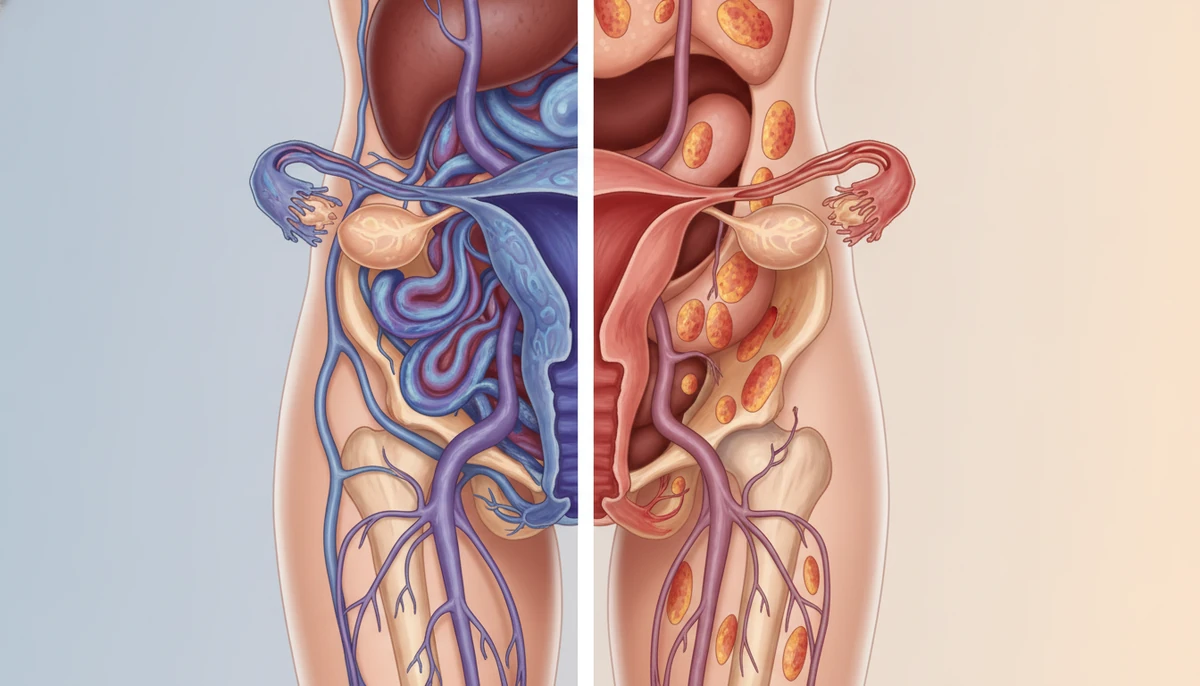
Both can cause persistent pelvic pain, discomfort during intercourse, and symptoms that interfere with everyday life. However, they develop for very different reasons. Pelvic congestion syndrome is associated with abnormal blood flow through the pelvic veins, while endometriosis involves tissue similar to the uterine lining growing outside the uterus.
Understanding the differences between PCS and endometriosis can help women recognize why a comprehensive evaluation is so important, particularly when pelvic pain continues without a clear explanation.
What Is Pelvic Congestion Syndrome?
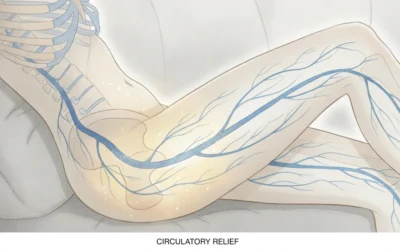
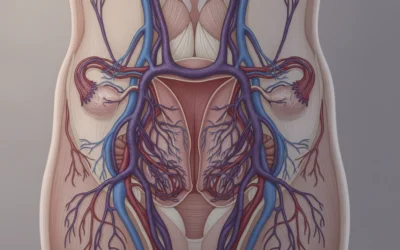
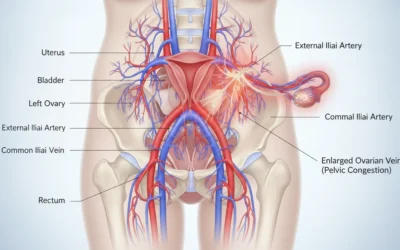
Pelvic congestion syndrome is associated with increased pressure and abnormal circulation within the veins of the pelvis.
Normally, veins carry blood back toward the heart. When the ovarian veins experience reflux, pressure can increase, and surrounding veins may become enlarged.
What Is Endometriosis?
Endometriosis is a condition in which tissue similar to the lining of the uterus grows elsewhere in the body, commonly within the pelvic region.
This tissue responds to hormonal changes and can contribute to inflammation, irritation, scarring, and pain. Symptoms may become particularly noticeable around menstruation, although some women experience discomfort throughout the month.
Endometriosis is primarily considered a gynecological condition, whereas PCS is vascular in nature. This distinction becomes especially important when determining which specialists should be involved in evaluation and treatment.
PCS vs Endometriosis Symptoms
One reason these conditions may be difficult to distinguish is that they share several symptoms.
Both PCS and endometriosis may cause:
- Chronic pelvic pain
- Lower abdominal discomfort
- Pain during or after intercourse
- Symptoms that fluctuate in severity
- Pain that interferes with daily activities
The pattern of symptoms, however, can sometimes provide useful clues.
Symptoms Associated with PCS
Pelvic congestion syndrome often causes a dull, aching, or heavy sensation rather than sharply localized pain.
Women may notice that discomfort:
- Becomes worse after prolonged standing
- Increases later in the day
- Feels like pressure or fullness within the pelvis
- Changes with certain activities or positions
These patterns may reflect increased pressure within the pelvic venous system.
Symptoms Associated with Endometriosis
Endometriosis symptoms are frequently connected to the menstrual cycle, although this is not always the case.
Potential symptoms include:
- Painful periods
- Pelvic pain before or during menstruation
- Pain during intercourse
- Pain with bowel movements or urination, particularly around menstruation
- Heavy or irregular menstrual bleeding
- Difficulty becoming pregnant in some patients
Symptoms alone cannot reliably distinguish between the two conditions, which is why medical evaluation is important.
Can You Have PCS and Endometriosis at the Same Time?
Yes. Pelvic congestion syndrome and endometriosis are not mutually exclusive.
A woman may have both a vascular condition affecting pelvic circulation and a gynecological condition contributing to pain. Pelvic floor dysfunction or other health concerns may also be involved.
This possibility is particularly important for patients whose symptoms persist after receiving treatment for one identified condition.
For example, treating endometriosis may address one source of discomfort, but symptoms related to abnormal pelvic venous circulation could remain. The reverse may also be true.
Rather than assuming every symptom comes from a single diagnosis, a multidisciplinary evaluation can help identify the different factors contributing to a patient’s experience.
How Are PCS and Endometriosis Diagnosed?
Because these conditions have different underlying causes, their diagnostic processes are also different.
When pelvic congestion syndrome or another pelvic vascular disorder is suspected, vascular specialists evaluate the veins and patterns of blood flow within the pelvis.
At California Pelvic Pain Institute, MRI imaging can provide detailed information about pelvic anatomy and vascular structures. It may reveal enlarged veins or patterns of venous compression or reflux that could be contributing to symptoms.
Evaluation for endometriosis is typically led by an OB-GYN or another provider specializing in women’s reproductive health. Imaging may be part of that evaluation, although endometriosis can sometimes be difficult to identify through imaging alone. In certain circumstances, additional procedures may be needed to confirm the diagnosis.
This is another reason communication between specialists can be so valuable.
Why Pelvic Pain Sometimes Requires More Than One Specialist
Pelvic pain sits at the intersection of several different areas of medicine.
Symptoms may involve:
- The reproductive system
- Pelvic veins
- Pelvic floor muscles
- The gastrointestinal system
- The urinary system
Trying to view every case through only one of these perspectives can sometimes leave part of the picture unexplained.
At California Pelvic Pain Institute, we believe in a collaborative approach to chronic pelvic pain. When appropriate, vascular specialists work alongside OB-GYN physicians, pelvic floor therapists, and other providers to help patients receive care that reflects the complexity of their symptoms.
This approach can be especially valuable when differentiating PCS from conditions such as endometriosis.
How Does Treatment Differ?
Treatment for PCS focuses on addressing the abnormal venous circulation contributing to pelvic congestion.
Depending on the underlying vascular problem, minimally invasive treatment may involve techniques such as embolization. These image-guided procedures are designed to close the refluxing vein and redirect blood through healthier pathways.
What If You’ve Already Been Diagnosed with Endometriosis?
Receiving an endometriosis diagnosis does not necessarily mean every future episode of pelvic pain should automatically be attributed to it.
If symptoms persist despite appropriate endometriosis care, a change in character, or follow a pattern suggestive of venous congestion, discussing other possible contributors with your healthcare team may be worthwhile.
For example, persistent pelvic heaviness or aching that becomes more noticeable after standing for long periods may warrant consideration of a vascular evaluation.
This does not mean the original diagnosis was incorrect. More than one condition may simply be contributing to the overall symptom picture.
Finding the Cause Behind Your Pelvic Pain
Living with chronic pelvic pain can take a toll physically and emotionally, particularly when there is uncertainty about what is causing it. Conditions such as PCS and endometriosis demonstrate why listening carefully to symptoms and considering multiple possible causes matters.
If you have already been evaluated for endometriosis but continue experiencing unexplained pelvic aching, heaviness, or pressure, a vascular condition may be another possibility worth exploring.
At California Pelvic Pain Institute, we specialize in evaluating vascular causes of chronic pelvic pain and work collaboratively with OB-GYN physicians, pelvic floor therapists, and other specialists when appropriate. Our goal is to help women feel heard, understand what may be contributing to their symptoms, and move toward a care plan that addresses the complete picture.
Schedule a consultation with California Pelvic Pain Institute today to learn whether pelvic venous disease may be contributing to your chronic pelvic pain and take another step toward finding the answers you deserve.