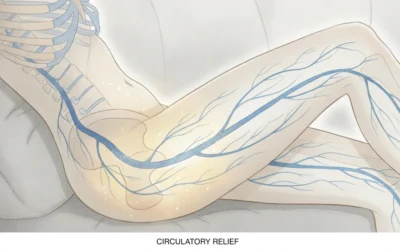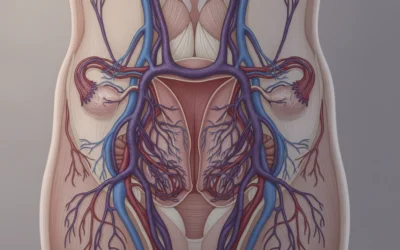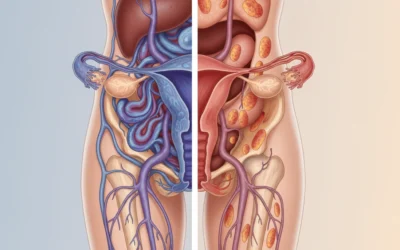
Chronic pelvic pain can have many potential causes, and sometimes the problem begins with the veins responsible for carrying blood away from the pelvis. When an ovarian vein does not move blood efficiently, blood may flow backward and increase pressure within the pelvic venous system. This condition, often called ovarian vein insufficiency or gonadal vein insufficiency, can contribute to pelvic venous congestion and persistent symptoms.
Ovarian vein embolization is a minimally invasive, image-guided procedure used to address abnormal blood flow through problematic ovarian veins. Rather than requiring open surgery, the procedure is performed through a small catheter that allows a vascular specialist to reach and treat the affected vein from inside the vascular system.
For women whose chronic pelvic pain is connected to ovarian vein reflux, embolization may provide a targeted way to address the underlying vascular problem.
Understanding the Ovarian Veins
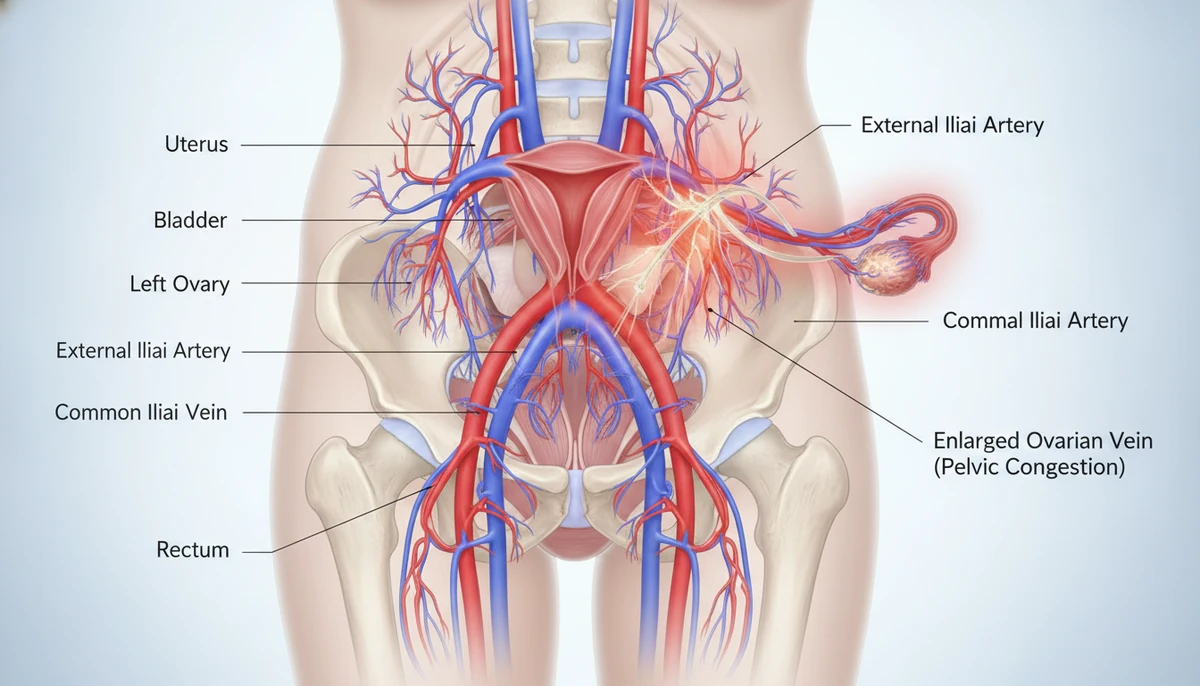
The ovarian veins are part of the network responsible for returning blood from the ovaries and pelvis toward the heart.
Like other veins, they rely on normal blood flow and functioning valves to keep blood moving in the proper direction. When these valves do not work effectively, blood can begin flowing backward, a process known as venous reflux.
Instead of draining efficiently, blood may pool within veins in the pelvis. Over time, increased venous pressure can cause these veins to become enlarged and congested.
This abnormal circulation may contribute to symptoms associated with pelvic venous disease or pelvic congestion syndrome (PCS).
What Does Ovarian Vein Insufficiency Feel Like?
Symptoms vary considerably among women. Some people may have enlarged pelvic veins without significant discomfort, which is why imaging findings must always be considered alongside symptoms.
When ovarian vein insufficiency is symptomatic, women may experience:
- Dull or aching pelvic pain
- Pelvic heaviness or pressure
- A feeling of fullness in the lower abdomen
- Pain that worsens after prolonged standing
- Symptoms that become more noticeable later in the day
- Discomfort during or after intercourse
One particularly useful clue is the relationship between pain and body position.
When pelvic veins are already experiencing abnormal pressure, remaining upright for long periods can make congestion more noticeable. Some women, therefore, feel increasingly uncomfortable throughout the day and experience some relief after lying down.
However, these symptoms are not exclusive to ovarian vein insufficiency. Endometriosis, uterine fibroids, pelvic floor dysfunction, and other conditions can produce similar complaints.
What Is Ovarian Vein Embolization?
Ovarian vein embolization is a catheter-based treatment designed to close abnormal pathways of venous reflux and redirect blood through healthier veins.
The procedure is performed from within the blood vessels using advanced imaging guidance. A physician guides a thin catheter to the problematic ovarian vein and places specialized embolic materials to close the abnormal vein.
Once the problematic pathway is treated, blood can return through other healthy veins rather than continuing to pool within the affected pelvic venous network.
You may also hear the procedure called gonadal vein embolization, particularly because ovarian veins are also referred to as female gonadal veins.
The objective is not simply to treat an enlarged vein seen on an image. Embolization is intended to address abnormal venous flow that has been determined to be a meaningful contributor to the patient’s symptoms.
How Is Ovarian Vein Embolization Performed?
One of the advantages of embolization is that it does not require a large incision.
The procedure typically begins with a small access point in a blood vessel, often through the wrist or groin. A thin catheter is then carefully advanced through the vascular system.
Using real-time imaging, the physician navigates the catheter to the ovarian vein and evaluates the pattern of blood flow.
If abnormal reflux is confirmed and treatment is appropriate, specialized embolic materials are placed within the affected vein. These materials create a barrier that slows blood flow in the problematic pathway, redirecting blood flow through other functioning veins.
After treatment is complete, the catheter is removed, and the small access point is covered. Because ovarian vein embolization is minimally invasive, it can typically be performed as an outpatient procedure.
How Does Embolization Help Pelvic Congestion?
To understand how embolization may relieve symptoms, it helps to think about the underlying problem.
When an ovarian vein allows blood to reflux toward the pelvis, that blood can contribute to increased pressure within connected veins. Enlarged veins and venous congestion may then contribute to the aching, pressure, or heaviness associated with PCS.
Ovarian vein embolization addresses the abnormal route itself. By closing the refluxing vein, the procedure is designed to reduce abnormal blood pooling and lower pressure within the affected pelvic venous circulation. Blood continues returning toward the heart through other healthy venous pathways.
Symptom improvement is not necessarily immediate, and individual responses vary. Your physician can explain what to expect based on your anatomy and the extent of your venous disease.
How Do Doctors Know If Embolization Is Appropriate?
Chronic pelvic pain alone does not mean ovarian vein embolization is necessary.
Before recommending treatment, physicians need to determine whether abnormal ovarian vein circulation is actually connected to the patient’s symptoms.
At California Pelvic Pain Institute, evaluation may include MRI imaging to examine the pelvic veins and surrounding anatomy. Physicians look for findings such as enlarged veins, abnormal circulation, reflux, and other factors that may be affecting pelvic venous drainage.
In some cases, imaging may also reveal additional vascular conditions.
For example, May-Thurner Syndrome can affect pelvic circulation through compression of the left iliac vein. Renal vein compression, sometimes called Nutcracker Syndrome, can increase venous pressure and influence drainage through connected pelvic veins.
Identifying these factors matters because embolizing an ovarian vein does not address every type of pelvic vascular disorder. The treatment plan needs to reflect the underlying anatomy.
Ovarian Vein Embolization vs. Venous Stenting
Although both procedures can be used in the treatment of pelvic venous disease, they solve different problems.
Ovarian vein embolization is generally used to address abnormal reflux through a problematic ovarian or gonadal vein. The goal is to close that abnormal pathway and redirect circulation. Venous stenting is used in selected patients when a significant vein compression is affecting normal blood flow. A stent supports the narrowed vein to help improve circulation through it.
Some patients may have more than one vascular abnormality. In these situations, treatment may need to address multiple contributors rather than assuming that a single procedure will resolve the entire problem.
This is why detailed imaging and individualized treatment planning are so important.
What Is Recovery Like After Ovarian Vein Embolization?
Ovarian vein embolization is generally performed on an outpatient basis, allowing patients to return home after an appropriate period of monitoring.
Some temporary soreness or discomfort can occur following the procedure. Patients are typically given individualized instructions regarding activity, medications, and follow-up care.
Many people can return to light activities relatively quickly, although the exact recovery timeline varies. Your physician will provide recommendations based on how you feel, the details of your procedure, and your overall health.
One of the primary differences compared with open surgery is that embolization uses only a small vascular access point rather than a large surgical incision.
Why a Multidisciplinary Approach Still Matters
Finding ovarian vein reflux does not necessarily mean it explains every pelvic symptom.
Women may simultaneously experience endometriosis, uterine fibroids, pelvic floor dysfunction, gastrointestinal conditions, or other causes of pelvic discomfort. Treating a vascular problem may address the symptoms associated with abnormal venous circulation, but it does not treat unrelated conditions.
At California Pelvic Pain Institute, we take a multidisciplinary approach to chronic pelvic pain. When appropriate, we collaborate with OB-GYN physicians, pelvic floor therapists, and other specialists who can evaluate additional conditions that may contribute to or flare alongside pelvic venous disease.
The objective is a more complete understanding of each patient’s symptoms rather than forcing every case into a single diagnosis.
Find Out Whether Ovarian Vein Embolization May Be Right for You
Persistent pelvic pain can be frustrating, particularly when previous evaluations have not provided a complete explanation. If your symptoms include pelvic aching, heaviness, or pressure that worsens after standing or becomes more noticeable as the day progresses, evaluating the pelvic venous system may provide useful answers.
At California Pelvic Pain Institute, our physicians specialize in diagnosing vascular causes of chronic pelvic pain and providing minimally invasive treatments such as ovarian vein embolization when appropriate.
Treatment begins with identifying the underlying problem. From there, we can help you understand your imaging, discuss whether vascular disease may be contributing to your symptoms, and determine which treatment approach makes sense for your individual anatomy.
Schedule a consultation with California Pelvic Pain Institute today to learn more about ovarian vein embolization and your options for treating pelvic venous disease.