Chronic pelvic pain can affect nearly every part of daily life, from work and exercise to sleep and relationships. What can make the experience even more difficult is not knowing why the pain is happening. Some women spend months or years seeing different healthcare providers before finding an explanation that connects their symptoms.
Part of the challenge is that chronic pelvic pain can have many different causes. The reproductive organs, pelvic veins, muscles, urinary system, and digestive system are all located close together, and problems affecting these areas can produce surprisingly similar symptoms. More than one condition can also contribute to pain at the same time.
Understanding some of the most common causes of chronic pelvic pain can help you recognize when further evaluation may be worthwhile and which types of specialists may be able to help.
What Is Chronic Pelvic Pain?
Chronic pelvic pain generally refers to discomfort in the lower abdomen or pelvis that persists or repeatedly returns over an extended period, often six months or longer.
The experience can differ considerably from one woman to another. Pelvic pain may feel like:
- A persistent dull ache
- Pressure or heaviness
- Cramping
- Sharp or intermittent pain
- Pain during certain activities
- Discomfort during or after intercourse
- Symptoms that change throughout the menstrual cycle
The pattern of pain can provide important clues. For example, symptoms that become worse around menstruation may suggest a different cause than pelvic heaviness that increases after spending hours standing.
A careful evaluation considers these patterns rather than focusing only on where the pain is located.
Pelvic Venous Disease
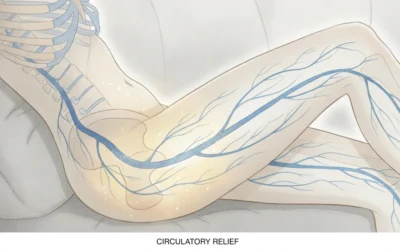
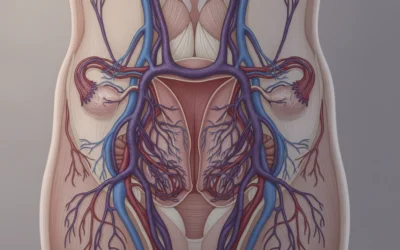
One potential cause that may be overlooked is pelvic venous disease. This occurs when normal blood flow through the veins in the pelvis is disrupted by problems such as venous reflux or compression.
When blood cannot drain efficiently, pressure may increase within the pelvic venous system and surrounding veins can become enlarged. This congestion may contribute to pelvic congestion syndrome (PCS) and symptoms such as:
- Dull pelvic aching
- Pressure or heaviness
- Discomfort that becomes worse after prolonged standing
- Symptoms that increase later in the day
- Pain during or after intercourse
Several vascular disorders can contribute to abnormal pelvic circulation.
Gonadal vein insufficiency involves abnormal backward blood flow, or reflux, through veins responsible for draining the pelvic region. May-Thurner Syndrome involves compression of the left iliac vein, which can interfere with venous drainage. Renal vein compression, commonly called Nutcracker Syndrome, can increase pressure within the renal vein and affect connected pelvic circulation.
A woman may have one vascular issue or multiple contributing factors. Because their symptoms can be similar, imaging and specialized evaluation are important for understanding what is happening.
Uterine Fibroids
Uterine fibroids are non-cancerous growths that develop within or around the uterus. Some women have fibroids without experiencing any symptoms, while others develop significant pelvic discomfort depending on the fibroids’ size, number, and location.
Fibroid symptoms may include:
- Pelvic pain or pressure
- A sensation of abdominal fullness
- Heavy menstrual bleeding
- Prolonged periods
- Frequent urination
- Constipation
- Lower back discomfort
Larger fibroids may place pressure on nearby structures, including the bladder and bowel.
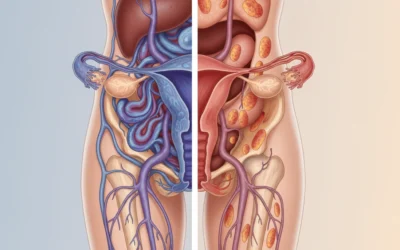
Fibroid symptoms can also overlap with those caused by pelvic vascular conditions. For this reason, finding fibroids on imaging does not necessarily mean they explain every symptom a patient is experiencing. A comprehensive evaluation can help determine whether another condition may also be contributing.
Endometriosis
Endometriosis is another well-known cause of chronic pelvic pain. It occurs when tissue similar to the uterine lining grows outside the uterus.
The condition can contribute to inflammation and irritation within the pelvis. Symptoms may include painful menstrual periods, chronic pelvic discomfort, pain during intercourse, or discomfort with bowel movements or urination, particularly around menstruation.
Unlike pelvic venous disease, endometriosis is primarily a gynecological condition and is typically evaluated and managed by an OB-GYN or another clinician with expertise in endometriosis.
However, it is possible for a woman to experience endometriosis and a vascular disorder at the same time. Persistent symptoms after treatment for one condition may therefore warrant consideration of other potential causes.
Pelvic Floor Dysfunction
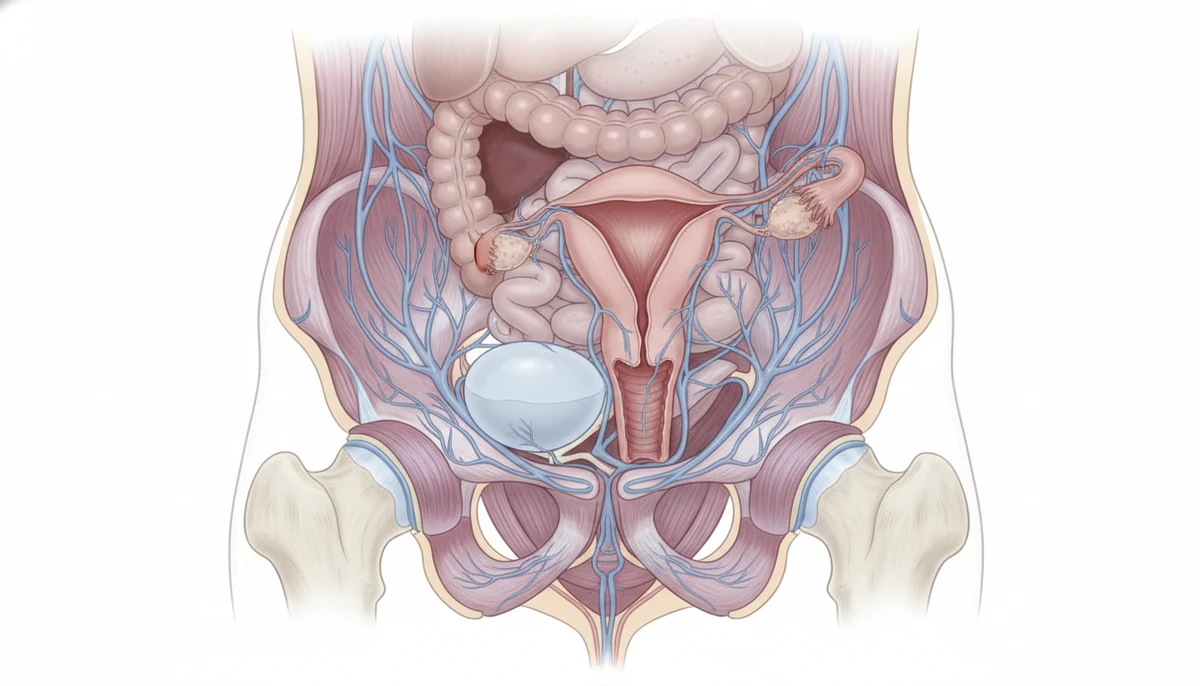
The pelvic floor is a group of muscles and connective tissues that support the bladder, uterus, rectum, and other structures within the pelvis. When these muscles become overly tight, weak, uncoordinated, or irritated, pelvic floor dysfunction may develop.
Symptoms can include:
- Pelvic aching or pressure
- Pain during intercourse
- Difficulty with urination or bowel movements
- Lower back or hip discomfort
- Muscle spasms or tenderness
Pelvic floor dysfunction can sometimes develop alongside another pelvic condition. Living with chronic pain, for example, may affect how the muscles are used and cause them to become tense or guarded. This is one reason pelvic floor therapists can play an important role in multidisciplinary pelvic pain care.
Bladder and Urinary Conditions
Certain urinary conditions can also cause discomfort that patients perceive as pelvic pain.
Bladder pain syndrome, urinary tract infections, and other urinary disorders may cause symptoms such as pelvic pressure, frequent urination, urgency, or discomfort when urinating.
Because bladder symptoms can also occur when a large fibroid places pressure on the bladder, determining the source of urinary changes may require evaluation from more than one perspective.
Sudden urinary symptoms, particularly those accompanied by fever or other signs of infection, should be evaluated promptly.
Gastrointestinal Causes
The digestive system is another possible source of chronic pelvic discomfort.
Conditions such as irritable bowel syndrome (IBS), chronic constipation, and inflammatory gastrointestinal disorders may produce lower abdominal pain, bloating, pressure, or changes in bowel habits.
Digestive symptoms and gynecological symptoms can also influence one another. Keeping track of whether pain changes after eating, during bowel movements, or at different points in the menstrual cycle can provide useful information for healthcare providers.
Musculoskeletal and Nerve-Related Pain
Not all pelvic pain begins with an internal organ. Problems involving the lower back, hips, abdominal muscles, pelvic joints, or nerves may produce pain that is felt within the pelvic region. Previous injuries, surgeries, posture, repetitive movements, or chronic muscle tension may all contribute.
This type of pain may change noticeably with movement or certain body positions. A musculoskeletal or pelvic floor evaluation can sometimes identify problems that would not appear during a traditional gynecological examination.
Why You May Have More Than One Cause
One of the most important things to understand about chronic pelvic pain is that there may not be a single explanation.
A patient might have uterine fibroids and pelvic floor dysfunction. Another may have endometriosis alongside pelvic venous disease. Treating one problem may improve part of the symptom picture while leaving another source of discomfort unresolved.
This does not necessarily mean the first diagnosis or treatment was wrong. It may simply mean that pelvic pain is being influenced by several conditions at once.
That is why California Pelvic Pain Institute emphasizes a multidisciplinary approach. When appropriate, vascular specialists can collaborate with OB-GYN physicians, pelvic floor therapists, primary care providers, and other specialists to help patients receive care that considers the complete picture.
How Is the Cause of Chronic Pelvic Pain Found?
Evaluation typically begins with a detailed discussion about symptoms and medical history. Your provider may want to know when the pain began, where it occurs, whether it changes throughout the day, and what makes it better or worse.
Imaging can then provide additional information. When a vascular cause is suspected, MRI imaging can help evaluate pelvic veins and surrounding anatomy for abnormalities such as venous congestion, reflux, or compression. Imaging may also identify structural conditions such as uterine fibroids.
Other tests or specialist evaluations may be recommended depending on the symptoms.
The objective is not simply to find something abnormal on an image. It is to determine whether the findings correspond with the patient’s symptoms and identify the factors most likely to be causing discomfort.
Find the Answers Behind Your Pelvic Pain
Living with chronic pelvic pain can be exhausting, particularly when you have already sought care and still do not have a complete explanation. Your symptoms deserve to be taken seriously, even when the cause is complex.
At California Pelvic Pain Institute, we specialize in evaluating vascular causes of chronic pelvic pain as well as fibroid disease. Just as importantly, we recognize when pelvic symptoms may extend beyond our specialty. Our collaborative approach allows us to work closely with OB-GYN physicians, pelvic floor therapists, and other specialists who can address additional conditions contributing to your discomfort.
Finding the cause is an important step toward finding the right care. If persistent pelvic pain, aching, pressure, or heaviness is interfering with your life, schedule a consultation with California Pelvic Pain Institute today to begin exploring what may be behind your symptoms and what options may help you move forward.