Chronic pelvic pain can be exhausting, physically and emotionally. When symptoms linger for months without clear answers, many women begin to wonder if they’ll ever find relief. One often-overlooked cause of persistent pelvic discomfort is Pelvic Venous Disease (PVD), a condition involving weakened or malfunctioning veins in the pelvis.
The good news is that pelvic venous disease is treatable. Thanks to advances in vascular medicine, many women can now find relief through minimally invasive, image-guided procedures, without major surgery.
At California Pelvic Pain Institute, we specialize in diagnosing and treating pelvic venous disease using techniques designed to restore healthy circulation while minimizing downtime. This guide walks you through what to expect, how treatment works, and whether it may be right for you.
Understanding Pelvic Venous Disease
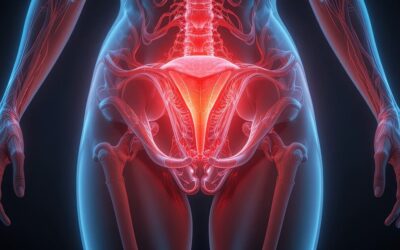
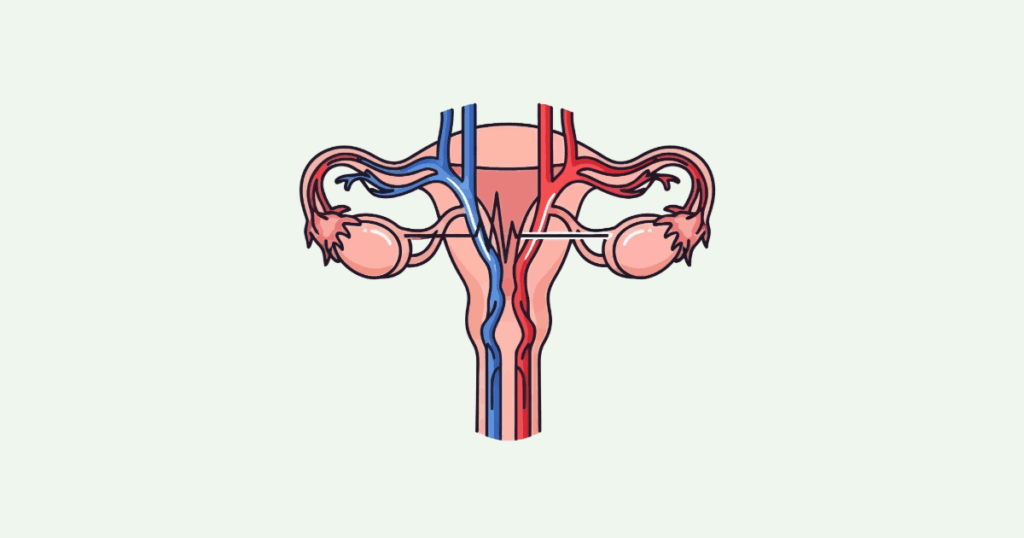
Pelvic venous disease occurs when veins in the pelvis become enlarged and inefficient at returning blood to the heart. Small valves inside these veins are responsible for keeping blood flowing upward. When these valves weaken or fail, blood can flow backward and pool in the veins.
Over time, this pooling causes increased pressure, inflammation, and discomfort, often referred to as Pelvic Congestion Syndrome (PCS).
In some cases, pelvic venous disease may be influenced by underlying conditions such as May-Thurner Syndrome or renal vein compression (Nutcracker Syndrome), which can affect how blood flows through the pelvis and contribute to increased venous pressure. Identifying these contributing factors can be an important part of understanding the full picture of a patient’s symptoms.
Pelvic venous disease is most common in women between the ages of 20 and 50, especially those who have had multiple pregnancies.
Symptoms of Pelvic Venous Disease
Symptoms can vary, but the most common sign is chronic pelvic pain lasting more than six months. The pain is often described as:
- Dull or aching
- A feeling of heaviness in the pelvis
- Worsening after prolonged standing
- More noticeable at the end of the day
- Pain during or after intimacy
Some women may also notice:
- Lower back discomfort
- Visible varicose veins in the buttocks or upper thighs
- Pelvic pressure that improves when lying down
Because these symptoms overlap with gynecological or gastrointestinal conditions, pelvic venous disease may go undiagnosed for some time.
How Is Pelvic Venous Disease Diagnosed?
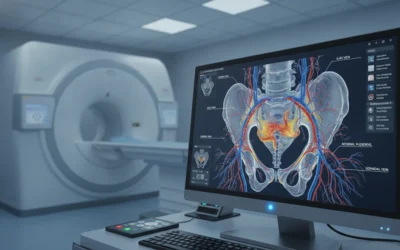
Diagnosis begins with a thorough review of your symptoms and medical history. If pelvic venous disease is suspected, imaging tests may be recommended to evaluate the pelvic veins and blood flow patterns.
Common diagnostic tools include:
- Pelvic ultrasound
- CT scan or MRI
- Venography (a detailed imaging study of the veins)
These tests help confirm whether enlarged or malfunctioning veins are contributing to your symptoms.
What Is Minimally Invasive Treatment for Pelvic Venous Disease?
The most effective minimally invasive treatment for pelvic venous disease is pelvic vein embolization.
This procedure works by closing off the problematic veins responsible for blood pooling. By redirecting blood flow to healthy veins, pressure in the pelvis decreases, and symptoms gradually improve.
Importantly, embolization does not involve removing organs or making large incisions. It is performed using advanced imaging guidance and small catheters.
How Pelvic Vein Embolization Works
Here’s what patients can typically expect:
- Preparation: The procedure is performed in an outpatient setting. Local anesthesia and light sedation help ensure comfort.
- Catheter Insertion: A small catheter is inserted through a tiny puncture in the wrist or groin.
- Imaging Guidance: Using real-time imaging, the physician carefully guides the catheter to the affected pelvic veins.
- Embolization: Small coils or medical embolic materials are placed inside the malfunctioning veins to close them.
- Completion: The catheter is removed, and a small bandage is applied—no stitches are required.
The procedure typically takes one to two hours, and most patients return home the same day.
Benefits of Minimally Invasive Treatment
Pelvic vein embolization offers several advantages compared to traditional surgery:
- No large incisions
- No general anesthesia in most cases
- Same-day discharge
- Short recovery time
- Gradual, sustained symptom improvement
- Preservation of normal pelvic structures
Many women appreciate that the procedure addresses the root cause of the pain, abnormal blood flow, rather than only masking symptoms.
What to Expect After the Procedure
Recovery is generally smooth and manageable. Some women experience mild cramping or pelvic discomfort for a few days, which typically resolves with rest and over-the-counter medications.
Most patients can return to light activity within a few days. Symptom improvement may begin within weeks and continue gradually as circulation normalizes.
It’s important to remember that healing takes time. Because pelvic venous disease develops gradually, improvement may also occur progressively rather than overnight.
Is Pelvic Vein Embolization Safe?
Pelvic vein embolization is considered a safe and well-established procedure when performed by experienced vascular specialists. As with any medical treatment, there are risks, but serious complications are uncommon.
Your physician will review your medical history, imaging results, and overall health to ensure you are a good candidate for treatment.
Who Is a Good Candidate for Minimally Invasive Treatment?
You may be a candidate for pelvic vein embolization if you:
- Have chronic pelvic pain lasting longer than six months
- Have imaging that confirms enlarged or dysfunctional pelvic veins
- Have not found relief from conservative treatments
- Prefer to avoid major surgery
Each case is unique, and a personalized consultation is essential in determining the best approach.
Alternatives to Embolization
While embolization is often the most effective treatment for pelvic venous disease, alternatives may include:
- Conservative symptom management
- Hormonal therapy in select cases
- Observation if symptoms are mild
In rare instances, surgical options may be considered. However, minimally invasive treatment is typically preferred due to its lower risk profile and quicker recovery.
Emotional Impact of Chronic Pelvic Pain
Living with chronic pelvic discomfort can affect more than just physical health. Many women report feeling frustrated, misunderstood, or discouraged before receiving a diagnosis.
Understanding that pelvic venous disease is a real, treatable condition can be empowering. Receiving the right diagnosis often provides both validation and hope.
Pelvic Venous Disease Treatment in Irvine, CA
At California Pelvic Pain Institute, we provide compassionate, individualized care for women experiencing pelvic venous disease. Our team uses advanced, minimally invasive techniques to restore healthy circulation while prioritizing comfort and clarity throughout the treatment process.
If chronic pelvic pain has been affecting your daily life, we encourage you to schedule a consultation to explore whether pelvic vein embolization may be appropriate for you.
Moving Toward Relief
Pelvic venous disease can be challenging, but it is treatable. With modern minimally invasive techniques, many women are able to reduce pain, improve daily function, and regain confidence in their health.
If you’ve been searching for answers, a vascular evaluation may be the next step toward lasting relief. With the right diagnosis and personalized care plan, a more comfortable future may be within reach.