
Uterine fibroids are one of the most common conditions affecting women during their reproductive years. In fact, many women develop fibroids at some point in their lives without even realizing it. While some fibroids never cause symptoms, others can grow large enough or develop in locations that lead to noticeable changes in your health and daily routine.
Recognizing the signs of uterine fibroids is the first step toward understanding what may be causing your symptoms. If you’ve been experiencing persistent pelvic discomfort, changes in your menstrual cycle, or unexplained pressure in your lower abdomen, fibroids may be worth discussing with your healthcare provider.
What Are Uterine Fibroids?
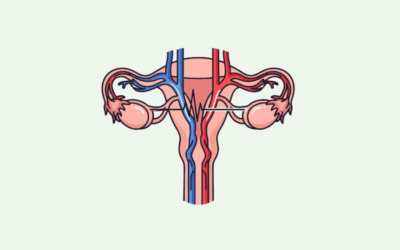
Uterine fibroids are non-cancerous growths that develop from the muscular tissue of the uterus. They can vary significantly in size, from very small growths that are only visible through imaging to larger fibroids that can change the shape of the uterus.
Some women develop a single fibroid, while others have multiple fibroids of different sizes. Their location also varies, which is one reason symptoms can differ so much from person to person.
Many fibroids grow slowly over time, meaning symptoms may develop gradually rather than appearing all at once.
Heavy or Prolonged Menstrual Bleeding
One of the most common signs of symptomatic uterine fibroids is a noticeable change in menstrual bleeding.
You may experience:
- Heavier-than-normal periods
- Menstrual cycles that last longer than usual
- Passing larger blood clots
- Needing to change pads or tampons more frequently
Heavy bleeding can sometimes lead to fatigue or iron deficiency over time, making it important to discuss persistent changes with your healthcare provider.
While heavy periods can have several possible causes, fibroids are among the more common explanations.
Pelvic Pressure or Fullness
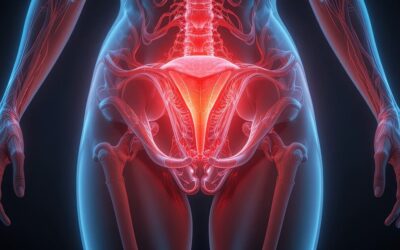
Fibroids can create pressure within the pelvis as they increase in size or number.
Rather than sharp pain, many women describe this symptom as:
- A feeling of heaviness
- Fullness in the lower abdomen
- Constant pressure that doesn’t seem to go away
Some compare it to carrying extra weight in the pelvis or feeling as though something is pressing downward.
This sensation may become more noticeable after standing for long periods or during certain times of the menstrual cycle.
Ongoing Pelvic Pain
Although not every fibroid causes pain, they can contribute to chronic pelvic discomfort in some women.
Pain associated with fibroids is often described as:
- Dull or aching
- Persistent rather than sudden
- Located low in the pelvis
- Variable in intensity throughout the month
Because pelvic pain can have many different causes, including vascular conditions and pelvic floor disorders, a comprehensive evaluation is important to determine whether fibroids are responsible.
Frequent Urination
As fibroids enlarge, they may begin pressing against nearby organs—including the bladder.
This pressure can cause:
- More frequent trips to the bathroom
- Feeling the need to urinate even when the bladder isn’t full
- Difficulty completely emptying the bladder
These symptoms may gradually become more noticeable as fibroids continue to grow.
Constipation or Bowel Changes
Depending on where fibroids develop, they may also place pressure on the rectum or lower bowel.
Some women notice:
- Constipation
- Difficulty with bowel movements
- A feeling of incomplete emptying
While digestive symptoms are not always caused by fibroids, they may occur when larger fibroids occupy additional space within the pelvis.
Pain During Intercourse
Some women with uterine fibroids experience discomfort during or after sexual intercourse.
The severity of this symptom often depends on:
- The location of the fibroids
- Their size
- Whether surrounding tissues are affected
This type of pain should not be ignored, particularly if it becomes persistent or begins affecting your quality of life.
Lower Back or Hip Discomfort
Because the pelvis contains many interconnected muscles, ligaments, nerves, and organs, pressure from fibroids can sometimes be felt beyond the uterus itself.
Some women develop:
- Lower back pain
- Hip discomfort
- Pain that radiates into the pelvis
These symptoms can easily be mistaken for musculoskeletal problems, making proper evaluation especially important.
When Symptoms May Be Something Else
Although fibroids are a common cause of pelvic symptoms, they are not the only possible explanation.
Conditions such as pelvic venous disease, May-Thurner Syndrome, renal vein compression (Nutcracker Syndrome), and other pelvic disorders can produce symptoms that overlap with fibroid disease.
This is why a comprehensive evaluation is so valuable. Rather than assuming one condition is responsible, physicians can evaluate multiple potential causes to better understand what is contributing to your symptoms.
In some cases, women may have more than one condition affecting the pelvis at the same time.
How Fibroids Are Diagnosed
If fibroids are suspected, your physician will begin by reviewing your symptoms and medical history before recommending appropriate imaging.
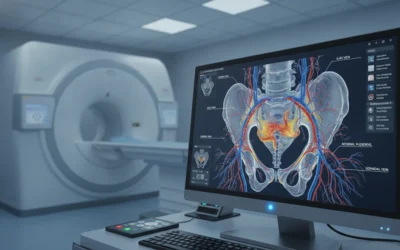
At California Pelvic Pain Institute, MRI imaging is commonly used to evaluate the uterus and surrounding pelvic anatomy. MRI provides detailed information about:
- The size of fibroids
- Their number
- Their location
- How they may be contributing to symptoms
Advanced imaging also helps physicians determine whether additional pelvic conditions may be present.
Why Early Evaluation Matters
Many women assume heavy periods or pelvic discomfort are simply part of life, particularly if symptoms have developed gradually.
However, seeking evaluation sooner rather than later offers several benefits.
An accurate diagnosis can:
- Identify the underlying cause of symptoms
- Help determine whether treatment is appropriate
- Prevent symptoms from continuing to interfere with daily life
- Provide peace of mind by ruling out other conditions
Even if treatment is not immediately necessary, understanding what is causing your symptoms allows you to make informed decisions about your health moving forward.
You Don’t Have to Live with Unanswered Questions
Living with ongoing pelvic symptoms can be frustrating, especially when they begin affecting work, family life, or everyday activities. If you’ve noticed changes in your menstrual cycle, increasing pelvic pressure, or discomfort that doesn’t seem to improve, it’s worth discussing your symptoms with a healthcare provider.
At California Pelvic Pain Institute, we understand that pelvic pain and fibroid-related symptoms are often complex. Our team provides thoughtful evaluations using advanced imaging and works collaboratively with OB-GYN physicians, pelvic floor therapists, and other specialists when appropriate to help patients gain a clearer understanding of their health.
If you’re experiencing signs that may be related to uterine fibroids, schedule a consultation with California Pelvic Pain Institute. Together, we can help identify the cause of your symptoms and discuss the options available to support your comfort, confidence, and quality of life.