Pelvic pain is something many women experience at some point in their lives. In some cases, it may be temporary or tied to a specific cause, such as menstrual changes or muscle strain. But when pelvic pain becomes persistent, unexplained, or progressively worse, it may be a sign that something more is going on.
Understanding when pelvic pain may require further evaluation can help you take the next step toward clarity and relief. While not every symptom is cause for concern, there are certain patterns and warning signs that should not be ignored.
When Pelvic Pain Is Considered “Chronic”
Pelvic pain is typically considered chronic when it lasts for several months or longer. Unlike short-term discomfort, chronic pelvic pain may:
- Persist throughout the day
- Come and go without a clear trigger
- Gradually increase in intensity over time
- Interfere with daily activities or sleep
For many women, this type of pain can feel frustrating, especially when initial evaluations do not provide clear answers.
Why Pelvic Pain Can Be Difficult to Identify
One of the reasons pelvic pain can be challenging to diagnose is that it may have multiple possible causes. These can include:
- Gynecological conditions
- Muscular or pelvic floor issues
- Gastrointestinal concerns
- Vascular conditions, such as pelvic venous disease
Because symptoms often overlap, it’s not uncommon for patients to go through several evaluations before identifying the underlying issue.
Common Symptoms That May Seem “Normal”
Some symptoms are often dismissed as routine or expected, especially when they develop gradually. However, when they persist or worsen, they may signal the need for further evaluation.
These can include:
- A dull, aching sensation in the pelvis
- A feeling of heaviness or pressure
- Discomfort that changes throughout the day
- Symptoms that seem tied to posture or activity
While these symptoms may not always indicate a serious condition, paying attention to how they evolve over time is important.
Red Flags to Watch For
Certain signs may suggest that pelvic pain is more than a temporary issue and may benefit from a more in-depth evaluation.
Pain That Persists or Worsens Over Time
If pelvic pain does not improve or gradually becomes more noticeable, it may indicate an underlying condition that has not yet been identified.
Discomfort That Increases with Standing or Sitting
Pain that worsens after long periods of standing or sitting may be associated with changes in blood flow within the pelvis, including potential vascular causes.
A Feeling of Pressure or Fullness
A persistent sensation of heaviness or fullness in the lower abdomen can sometimes be linked to enlarged veins or structural changes within the pelvis.
Symptoms That Affect Daily Life
When pelvic pain begins to interfere with work, physical activity, or overall well-being, it may be time to seek further evaluation.
Symptoms Without a Clear Diagnosis
If you’ve had multiple evaluations but still don’t have a clear explanation for your symptoms, it may be helpful to explore whether a less obvious cause, such as a vascular condition, could be contributing.
Could It Be Related to Blood Flow?
In some cases, chronic pelvic pain may be connected to how blood flows through the veins in the pelvis.
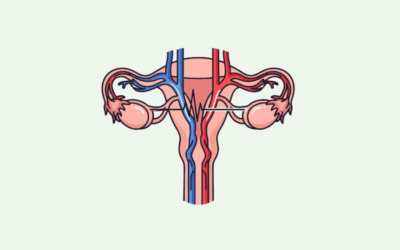
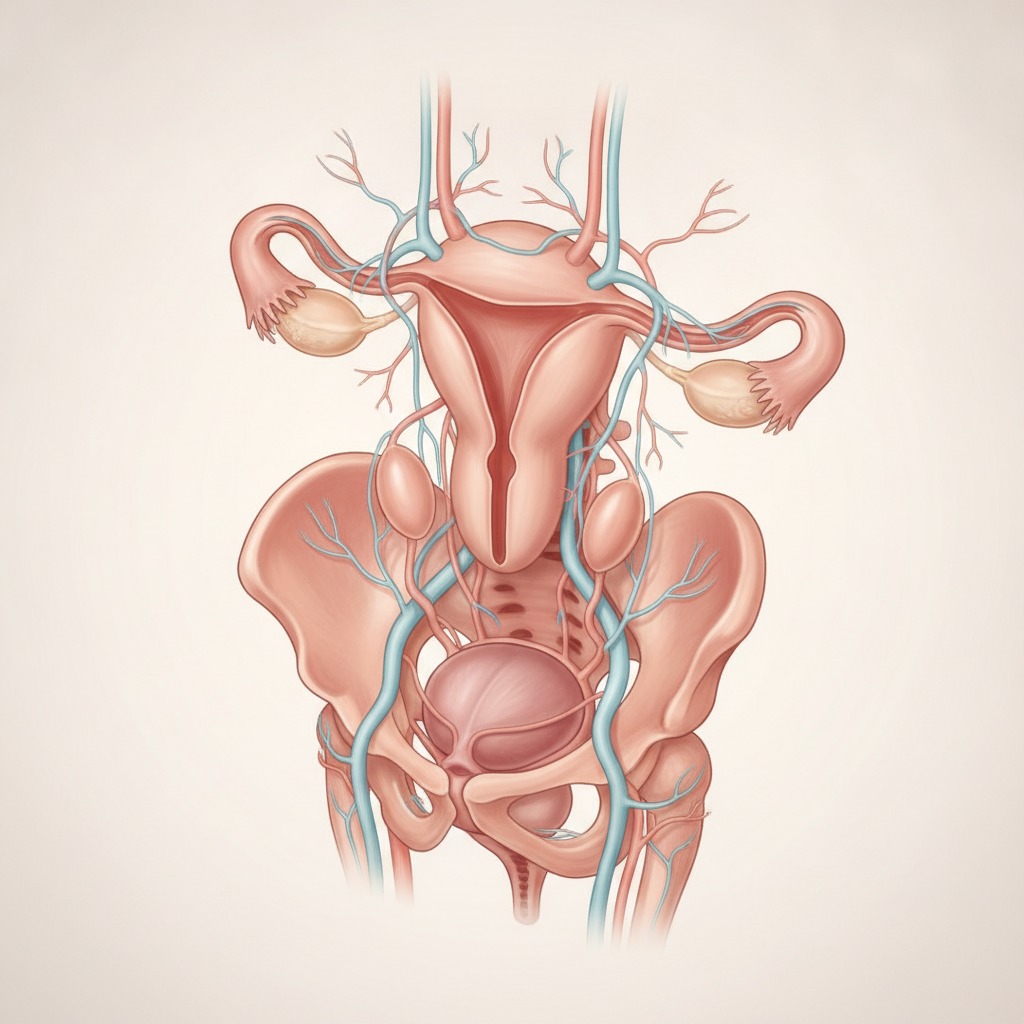
Conditions such as pelvic venous disease can develop when veins become enlarged or less efficient at moving blood back toward the heart. This can lead to increased pressure within the pelvic region, which may cause:
- Ongoing aching or discomfort
- A sense of heaviness
- Symptoms that worsen throughout the day
Other vascular conditions, such as May-Thurner Syndrome or renal vein compression (Nutcracker Syndrome), may also influence circulation and contribute to similar symptoms.
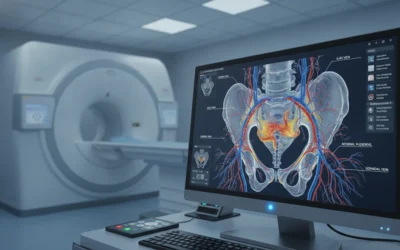
Because these conditions are not always identified during routine evaluations, specialized imaging may be needed to better understand what is happening.
The Importance of Listening to Your Body
It’s easy to dismiss pelvic pain, especially when symptoms seem mild at first or come and go. However, your body often provides signals when something isn’t quite right.
Paying attention to patterns, such as when symptoms occur, how they change, and what makes them better or worse can be helpful when discussing concerns with a provider.
You know your body best. If something feels off, it’s worth exploring further.
When to Consider Seeing a Specialist
You may want to seek additional evaluation if:
- Pelvic pain has lasted for several months
- Symptoms are becoming more noticeable over time
- Discomfort affects your ability to carry out daily activities
- You have not received a clear diagnosis despite prior care
A specialist can help evaluate whether your symptoms may be related to vascular, structural, or other underlying factors.
A More Complete Approach to Pelvic Pain
Because pelvic pain can have multiple causes, a comprehensive and collaborative approach is often the most effective way to find answers.
This may include working with:
- OB-GYN providers
- Pelvic floor therapists
- Vascular specialists
- Primary care physicians
By looking at the full picture, it becomes easier to identify what may be contributing to symptoms and how best to move forward.
Taking the Next Step Toward Answers
Living with ongoing pelvic pain can be exhausting, especially when the cause is unclear. You may have already tried to push through symptoms or hoped they would improve over time. If you’re still searching for answers, you’re not alone, and there may be options worth exploring.
At California Pelvic Pain Institute, we focus on identifying underlying causes of pelvic pain, including vascular conditions that may not always be immediately recognized. Through advanced imaging, thoughtful evaluation, and collaboration with other specialists, our goal is to help you better understand what may be contributing to your symptoms.
If you’re experiencing persistent pelvic pain or noticing any of the red flags mentioned above, we encourage you to take the next step.
Schedule a consultation today to learn more about your symptoms and explore care options designed to support your comfort and well-being.