For many women, menstrual cycles change over time. However, when periods become consistently heavier, last longer than usual, or begin interfering with daily life, it’s important to understand what may be causing these changes.
One of the most common causes of heavy menstrual bleeding is uterine fibroids. Although not every fibroid causes symptoms, many women experience significant changes in their menstrual cycle as fibroids grow or develop in certain areas of the uterus.
If you’ve found yourself planning your schedule around your period, worrying about bleeding through clothing, or feeling exhausted after every menstrual cycle, you’re not alone. Understanding the connection between fibroids and heavy menstrual bleeding can help you know when it’s time to seek evaluation and what options may be available.
What Are Uterine Fibroids?
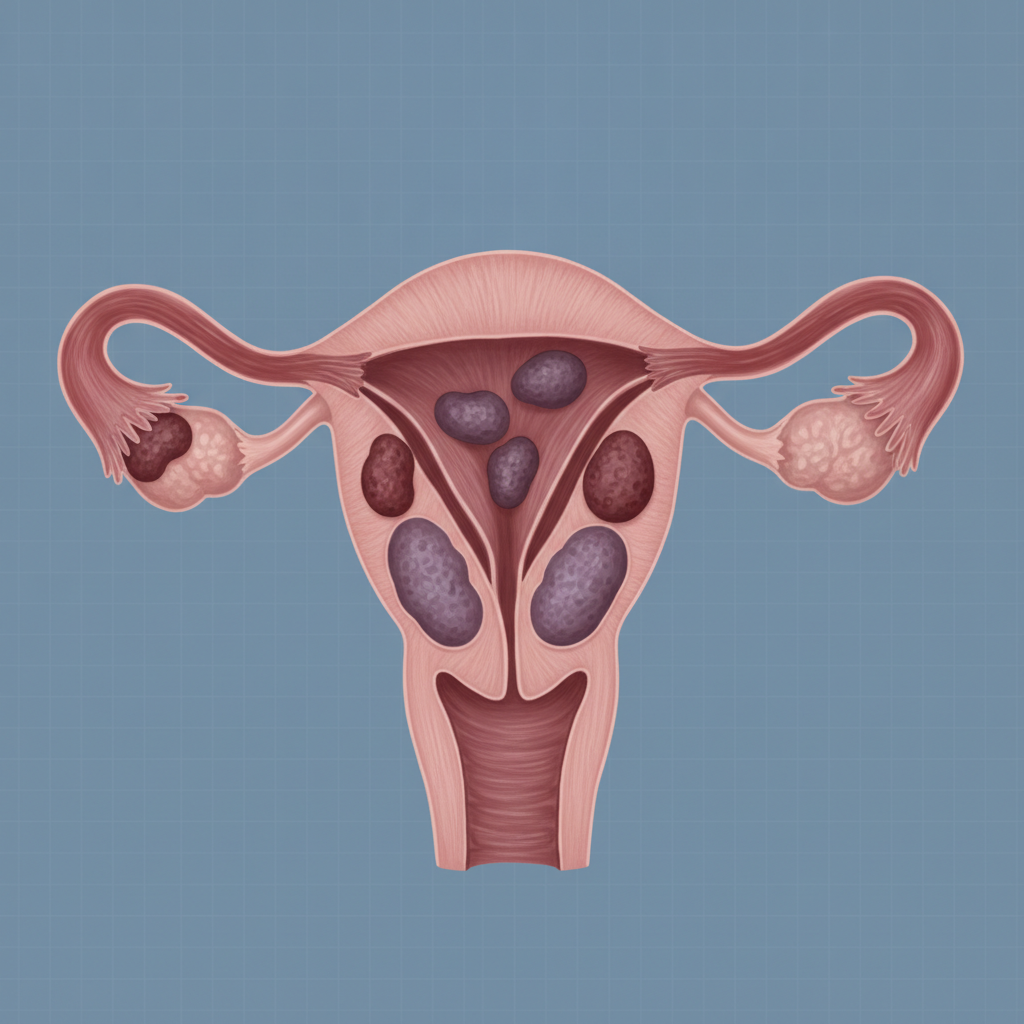
Uterine fibroids are non-cancerous growths that develop within or around the uterus. They are extremely common and can occur in women of all backgrounds, particularly during the reproductive years.
Fibroids vary in:
- Size
- Number
- Location within the uterus
While some remain small and symptom-free, others can lead to changes that affect menstrual bleeding, pelvic comfort, and overall quality of life.
Because fibroids often grow gradually, symptoms may become more noticeable over months or even years.
Why Do Fibroids Cause Heavy Menstrual Bleeding?
The relationship between fibroids and heavy menstrual bleeding depends largely on where the fibroids are located.
Fibroids can:
- Increase the surface area of the uterine lining
- Affect how the uterus contracts during menstruation
- Disrupt normal blood vessels within the uterus
- Change the way the uterine lining sheds during a menstrual cycle
These changes can make periods heavier, longer, or less predictable than usual. Fibroids located just beneath the lining of the uterus, known as submucosal fibroids, are especially likely to contribute to heavy bleeding, although fibroids in other locations may also play a role.
What Is Considered Heavy Menstrual Bleeding?
Every woman’s menstrual cycle is different, making it difficult to define “normal.” However, bleeding may be considered excessive if it begins affecting your health or daily activities.
Signs of heavy menstrual bleeding may include:
- Periods lasting longer than seven days
- Needing to change a pad or tampon every hour for several consecutive hours
- Passing large blood clots
- Needing to use multiple menstrual products at once
- Frequently waking during the night to change menstrual protection
- Avoiding work, travel, exercise, or social activities because of your period
Even if these symptoms have become routine for you, they should not be considered something you simply have to live with.
How Heavy Bleeding Can Affect Your Health
Heavy menstrual bleeding doesn’t just impact your monthly routine. It can affect your overall well-being.
Over time, excessive blood loss may contribute to:
Fatigue
When the body loses significant amounts of blood each month, many women begin feeling persistently tired or run down.
Iron Deficiency
Heavy bleeding can reduce the body’s iron stores, making it more difficult to produce healthy red blood cells.
Anemia
For some women, ongoing blood loss eventually leads to anemia, which may cause:
- Weakness
- Dizziness
- Shortness of breath
- Difficulty concentrating
- Reduced exercise tolerance
Treating the underlying cause of heavy bleeding can often help improve these symptoms.
Other Symptoms That Often Occur Alongside Heavy Bleeding
Fibroids rarely cause just one symptom.
Women experiencing heavy menstrual bleeding may also notice:
- Pelvic pressure
- Lower abdominal fullness
- Chronic pelvic discomfort
- Frequent urination
- Constipation
- Lower back pain
- Pain during intercourse
The combination of symptoms often depends on the number, size, and location of the fibroids.
Could Something Else Be Causing Heavy Periods?
Although fibroids are a leading cause of heavy menstrual bleeding, they are not the only possibility.
Heavy periods can also be associated with:
- Hormonal changes
- Adenomyosis
- Endometriosis
- Bleeding disorders
- Certain medications
Additionally, some women with fibroids may also have pelvic venous disease or other vascular conditions contributing to pelvic discomfort. Because pelvic symptoms can overlap, a thorough evaluation helps ensure that all potential causes are considered.
Rather than assuming fibroids are solely responsible, physicians evaluate the complete clinical picture before recommending treatment.
How Fibroids Are Evaluated
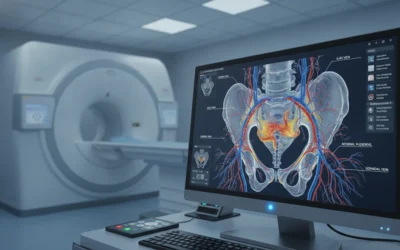
If fibroids are suspected, your physician will begin by discussing your symptoms, menstrual history, and overall health. Advanced imaging plays an important role in understanding the condition.
At California Pelvic Pain Institute, MRI imaging provides detailed information about:
- The size of fibroids
- Their location within the uterus
- The number of fibroids present
- How they may be contributing to symptoms
This information helps physicians determine whether fibroids are likely responsible for heavy menstrual bleeding and guides individualized treatment planning.
When Should You Seek Evaluation?
Many women normalize heavy periods because they have experienced them for years.
However, it may be time to speak with a healthcare provider if:
- Bleeding becomes noticeably heavier than usual
- Your periods consistently last longer than a week
- You frequently feel tired or lightheaded during your cycle
- Heavy bleeding interferes with work or daily activities
- You develop pelvic pressure or discomfort in addition to menstrual changes
Seeking evaluation doesn’t necessarily mean treatment is required, but it can provide valuable answers and peace of mind.
Treatment Can Help Improve Quality of Life
If fibroids are identified as the cause of heavy menstrual bleeding, several treatment options may be available depending on your symptoms, medical history, and personal goals.
Many women are surprised to learn that minimally invasive treatments, including uterine fibroid embolization (UFE), can provide symptom relief without requiring a hysterectomy. These procedures are designed to address the fibroids themselves while supporting a shorter recovery compared to traditional surgery.
Your physician can help determine which approach is most appropriate for your individual needs after a thorough evaluation.
You Don’t Have to Accept Heavy Periods as Your “Normal”
Heavy menstrual bleeding can affect far more than your monthly cycle. It can impact your energy, confidence, work, relationships, and overall quality of life. While many women assume these symptoms are simply part of getting older or something they have to live with, persistent heavy bleeding deserves medical attention.
At California Pelvic Pain Institute, we take a compassionate, patient-centered approach to evaluating fibroid disease and other conditions that may contribute to pelvic symptoms. Using advanced MRI imaging and working collaboratively with OB-GYN physicians, pelvic floor therapists, and other specialists, our goal is to provide clear answers and personalized care.
If heavy menstrual bleeding has become part of your routine, you don’t have to continue managing it alone. Schedule a consultation with California Pelvic Pain Institute to learn more about what may be causing your symptoms and explore treatment options that can help you move toward greater comfort and confidence.