For many women diagnosed with uterine fibroids, one of the first questions that comes to mind is whether surgery is the only option. While hysterectomy has long been a treatment for fibroid disease, it is no longer the only approach. Advances in minimally invasive medicine have expanded the range of treatment options available, allowing many women to address fibroid-related symptoms without removing the uterus.
The right treatment depends on several factors, including your symptoms, the size and location of your fibroids, your medical history, and your personal goals. Understanding the available options can help you make an informed decision about your care.
When Do Fibroids Need Treatment?
Not every uterine fibroid requires treatment. Many women have fibroids that remain small and never cause noticeable symptoms.
Treatment is typically considered when fibroids begin to interfere with daily life by causing symptoms such as:
- Heavy or prolonged menstrual bleeding
- Pelvic pressure or fullness
- Chronic pelvic discomfort
- Frequent urination
- Constipation caused by pressure on nearby organs
- Lower back discomfort
If symptoms begin affecting your quality of life, it may be time to discuss treatment options with a specialist.
Is Hysterectomy the Only Option?
A hysterectomy is a surgical procedure that removes the uterus. For some women, it may be the most appropriate treatment depending on the severity of their condition and their individual health circumstances.
However, many women are surprised to learn that there are alternatives. Modern, minimally invasive procedures can often relieve symptoms without requiring removal of the uterus.
Choosing between treatment options is a personal decision that should be based on a careful evaluation and a discussion with your healthcare team.
Understanding Uterine Fibroid Embolization (UFE)
One of the most effective non-surgical treatments for symptomatic fibroids is uterine fibroid embolization (UFE).
Rather than removing fibroids surgically, UFE works by reducing the blood supply that allows fibroids to grow.
During the procedure:
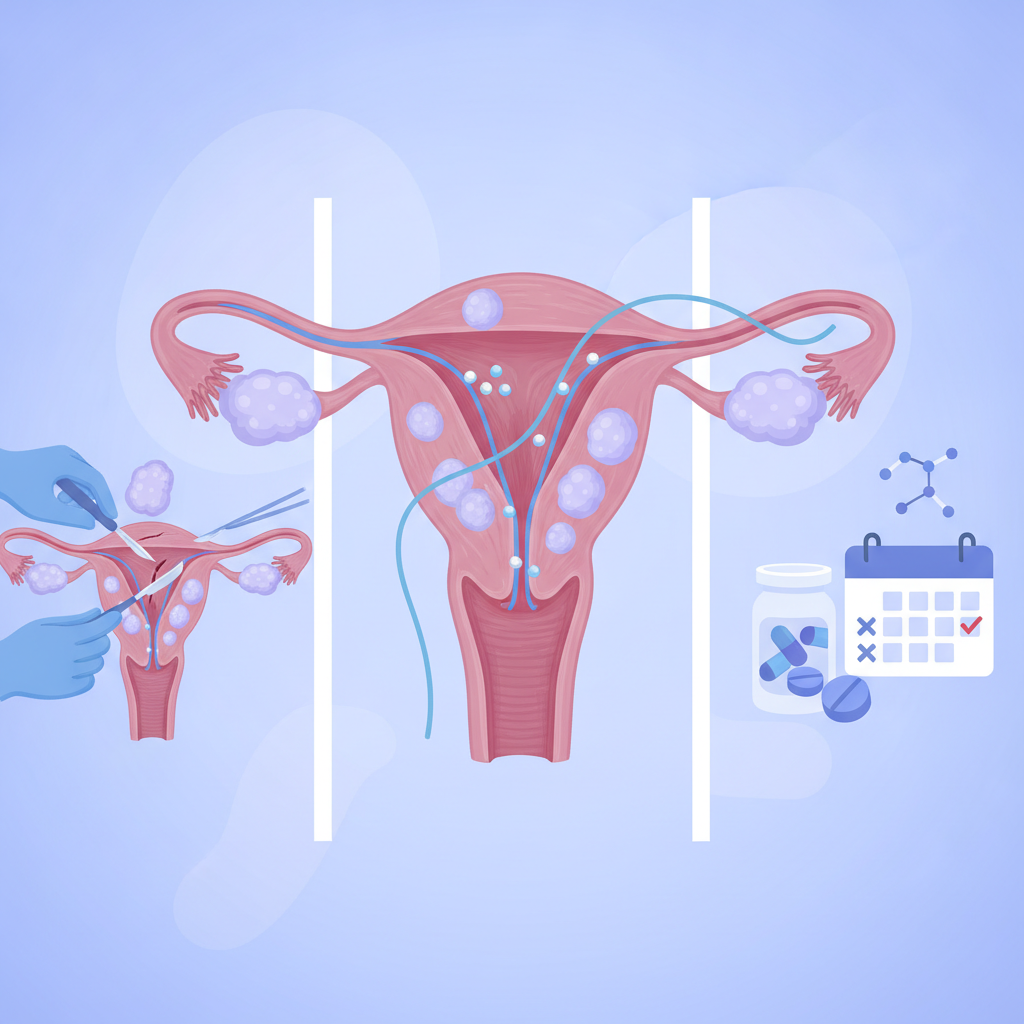
- A small catheter is inserted through a tiny access point, typically in the wrist or groin.
- Using advanced imaging guidance, the physician navigates the catheter to the arteries supplying the fibroids.
- Tiny embolic particles are delivered into the small branches of the uterine artery feeding the fibroids.
- Reduced blood flow causes the fibroids to gradually shrink over time.
Because the procedure targets only the blood vessels supplying the fibroids, the main uterine artery remains open, allowing blood flow to continue to healthy uterine tissue.
Benefits of UFE
For many women, UFE offers several advantages compared to more invasive surgical procedures.
Potential benefits include:
- No large surgical incisions
- Outpatient treatment
- Preservation of the uterus
- Shorter recovery compared to traditional surgery
- Gradual improvement in fibroid-related symptoms
Every patient’s experience is unique, but many women appreciate having a treatment option that focuses on addressing symptoms while minimizing recovery time.
How Does UFE Compare to Hysterectomy?
Although both procedures may help relieve fibroid-related symptoms, they differ significantly in how they achieve that goal.
A hysterectomy removes the uterus entirely, eliminating fibroids permanently because the uterus is no longer present.
UFE, on the other hand, treats the fibroids themselves by reducing their blood supply while preserving the uterus.
Because the procedures serve different purposes, the best choice depends on factors such as:
- The size and location of the fibroids
- Overall health
- Future reproductive considerations
- Personal preferences
- Treatment goals
Rather than asking which procedure is “better,” it’s more helpful to ask which approach is most appropriate for your individual situation.
Other Non-Hysterectomy Treatment Options
Depending on the patient’s needs, other treatments may also be considered.
These may include:
Medication
Certain medications may help temporarily manage symptoms such as heavy menstrual bleeding or pelvic discomfort. While medication does not eliminate fibroids, it may provide symptom relief for some women.
Myomectomy
A myomectomy is a surgical procedure that removes fibroids while leaving the uterus in place. It may be appropriate in certain situations depending on the size, number, and location of the fibroids.
Your physician can discuss whether this option aligns with your treatment goals.
The Importance of an Accurate Diagnosis
Not all pelvic pain or heavy menstrual bleeding is caused by fibroids.
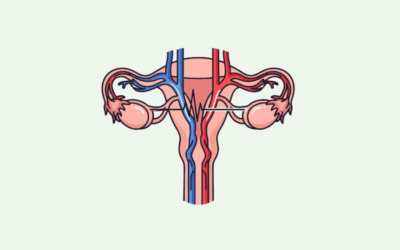
Conditions such as pelvic venous diseases like gonadal vein insufficiency, May-Thurner Syndrome, and renal vein compression (Nutcracker Syndrome) can produce symptoms that overlap with fibroid disease.
Because some women have more than one contributing condition, a comprehensive evaluation is essential before deciding on treatment.
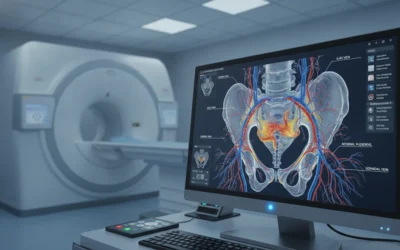
At California Pelvic Pain Institute, advanced MRI imaging helps physicians evaluate both the uterus and the pelvic vascular system, allowing for a more complete understanding of what may be causing symptoms.
A Collaborative Approach to Women’s Care
Choosing a fibroid treatment is an important decision, and it often benefits from input across multiple specialties.
California Pelvic Pain Institute works collaboratively with:
- OB-GYN physicians
- Pelvic floor therapists
- Primary care providers
- Other specialists when appropriate
This multidisciplinary approach helps ensure that every aspect of a patient’s health is considered when developing a personalized treatment plan.
Rather than focusing on a single procedure, our goal is to help patients understand all appropriate options and feel confident in their decisions.
Finding the Right Treatment for You
Every woman’s experience with fibroids is different. Some may benefit from continued observation, while others may find that treatment offers meaningful relief from symptoms affecting their daily lives.
If you’ve been told that a hysterectomy is your only option, it may be worthwhile to learn about the full range of treatments that are available. Advances in minimally invasive medicine have created new possibilities for many women, enabling care tailored to individual needs and goals.
At California Pelvic Pain Institute, we believe patients deserve clear information, compassionate guidance, and treatment recommendations based on their unique circumstances. Through advanced imaging, minimally invasive expertise, and collaboration with trusted specialists, we’re committed to helping women better understand their options and move forward with confidence.
If you’re living with fibroid-related symptoms and would like to learn more about treatment without hysterectomy, schedule a consultation with California Pelvic Pain Institute. Our team is here to answer your questions, evaluate your condition, and help you explore the options that are right for you.