Living with chronic pelvic pain can be physically exhausting and emotionally draining. For many women, symptoms persist for months or even years before an underlying cause is identified. It is not uncommon to see multiple healthcare providers, undergo numerous tests, and still be left searching for answers.
Fortunately, advances in minimally invasive medicine have made it possible to diagnose and treat many vascular causes of chronic pelvic pain. One of the most effective treatments for these conditions is embolization, an image-guided procedure designed to address abnormal blood flow within the pelvis.
Understanding how embolization works can help patients feel more confident as they explore their treatment options.
Understanding the Vascular Causes of Pelvic Pain
Not all chronic pelvic pain originates from the reproductive organs, muscles, or digestive system. In many cases, symptoms may be related to changes in the veins that drain blood from the pelvis.
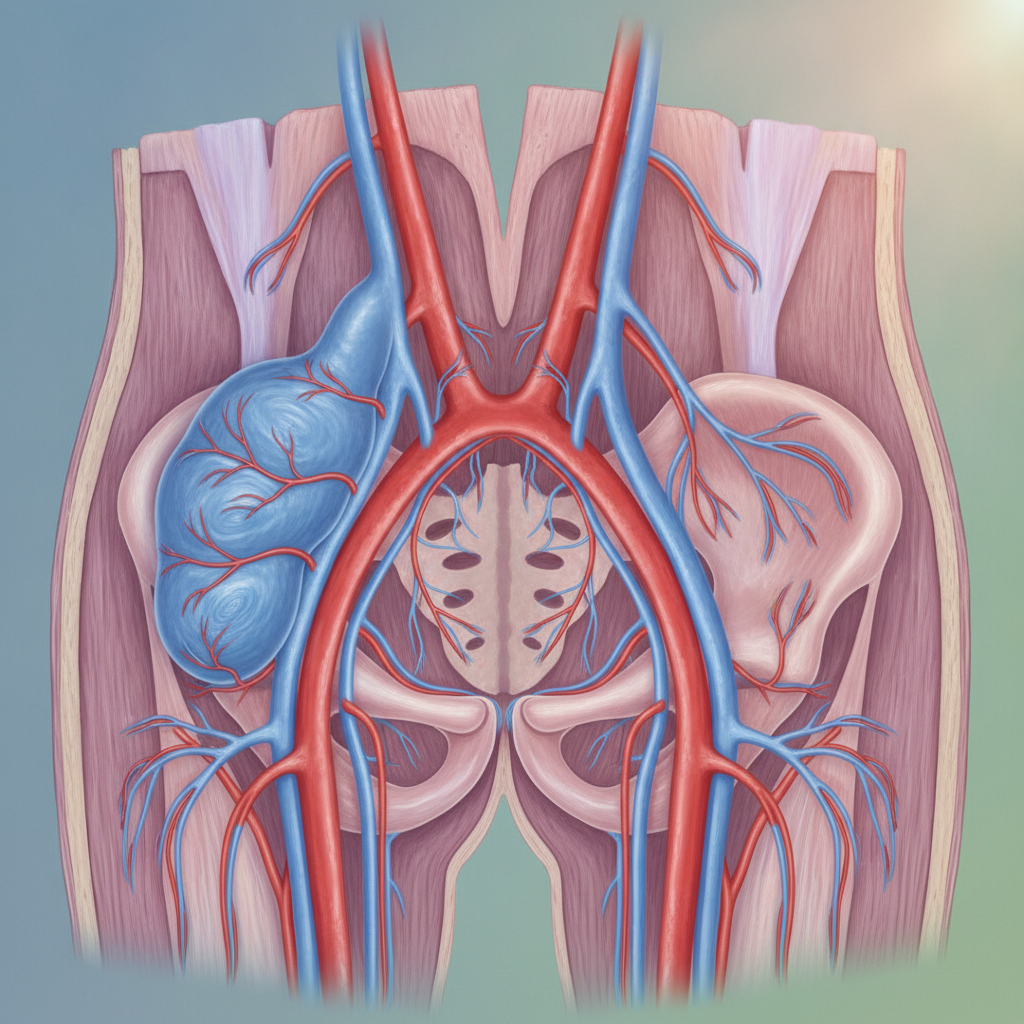
When these veins become enlarged, weakened, or subjected to increased pressure, blood may not circulate as efficiently as it should. Instead of flowing smoothly back toward the heart, blood can pool within the pelvic veins, creating increased pressure and discomfort.
Several vascular conditions can contribute to this process, including:
- Gonadal vein insufficiency
- May-Thurner Syndrome
- Renal vein compression (Nutcracker Syndrome)
Although each condition affects blood flow differently, they can produce many of the same symptoms, including chronic pelvic pain, pelvic pressure, and a feeling of heaviness.
What Is Embolization?
Embolization is a minimally invasive, image-guided procedure used to treat abnormal blood flow within the vascular system.
Rather than removing tissue through surgery, embolization works by redirecting blood flow away from the veins that are contributing to symptoms.
The procedure is performed using a small catheter that is guided through the blood vessels with advanced imaging. Once positioned, specialized embolic materials are carefully placed within the targeted vein.
These materials reduce or stop blood flow through the affected vein, allowing healthy veins to take over normal circulation.
How Does Embolization Relieve Pain?
One of the primary goals of embolization is to reduce the excessive pressure that develops within enlarged pelvic veins.
When blood pools inside these veins, pressure builds over time. This increased pressure can irritate surrounding tissues and contribute to the persistent aching or heaviness many patients experience.
By reducing abnormal blood flow through the affected veins, embolization helps:
- Lower venous pressure
- Improve overall circulation
- Reduce congestion within the pelvis
- Relieve symptoms associated with abnormal blood flow
Rather than simply masking discomfort, embolization is designed to address one of the underlying causes of vascular-related pelvic pain.
A Precise, Targeted Approach
One of the greatest advantages of embolization is its precision. Using real-time imaging guidance, physicians can navigate the catheter directly to the veins contributing to symptoms. This allows treatment to be focused only where it is needed while preserving healthy surrounding blood vessels.
Because the procedure is highly targeted, there is no need for large surgical incisions or removal of healthy tissue. This minimally invasive approach has helped transform how many vascular conditions are treated today.
What Happens During the Procedure?
Although every patient’s treatment plan is unique, embolization generally follows a similar process. After preparing the treatment area, a physician inserts a small catheter through a tiny access point, typically in the wrist or groin.
Using advanced imaging technology, the catheter is carefully guided through the vascular system until it reaches the affected vein. Once the catheter is in position, embolic materials are delivered into the targeted vein to reduce abnormal blood flow.
After treatment is complete, the catheter is removed, and only a small bandage is typically needed at the access site. Because the procedure is performed through such a small opening, patients generally avoid the larger incisions associated with traditional surgery.
Recovery After Embolization
Recovery following embolization is typically much shorter than recovery from open surgery.
Many patients are able to:
- Return home the same day
- Resume light activities within a short period of time
- Recover comfortably at home
- Gradually return to normal routines
As blood flow improves and pressure within the pelvis decreases, symptom relief often develops over time.
Every patient heals differently, and recovery timelines vary depending on the individual and the specific condition being treated.
Why a Personalized Treatment Plan Matters
Although embolization is highly effective for many vascular conditions, no two patients experience pelvic pain in exactly the same way.
Some women have a single vascular condition contributing to symptoms, while others may have multiple factors affecting blood flow. This is why comprehensive imaging plays such an important role before treatment.
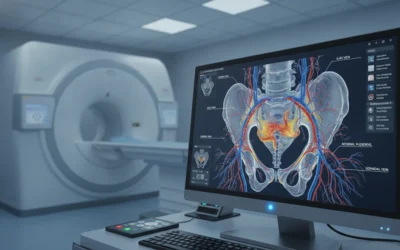
At California Pelvic Pain Institute, physicians use MRI imaging to evaluate the pelvic vascular system and determine which veins are contributing to symptoms. This allows treatment to be tailored to each patient’s unique anatomy rather than relying on a one-size-fits-all approach.
Collaboration Improves Patient Care
Chronic pelvic pain often involves more than one medical specialty.
At California Pelvic Pain Institute, our physicians work collaboratively with:
- OB-GYN physicians
- Pelvic floor therapists
- Primary care providers
- Other specialists when appropriate
This multidisciplinary approach helps ensure that all potential contributors to pelvic pain are considered before treatment recommendations are made.
By looking beyond a single diagnosis, patients receive more comprehensive and personalized care.
Finding Relief Starts with Finding Answers
One of the most difficult parts of living with chronic pelvic pain is not knowing why it is happening. Many women spend years searching for an explanation before discovering that a vascular condition may be contributing to their symptoms.
Fortunately, minimally invasive procedures such as embolization have created new opportunities to treat these underlying causes without the need for major surgery.
At California Pelvic Pain Institute, our goal is to help patients feel heard, supported, and informed throughout every step of their care. Using advanced imaging, minimally invasive techniques, and a collaborative approach with OB-GYN physicians, pelvic floor therapists, and other specialists, we work to identify the source of pelvic pain and develop personalized treatment plans that support long-term relief.
If you’ve been living with chronic pelvic pain and are still searching for answers, schedule a consultation with California Pelvic Pain Institute. Together, we can evaluate your symptoms, discuss your options, and help you take the next step toward lasting comfort and improved quality of life.