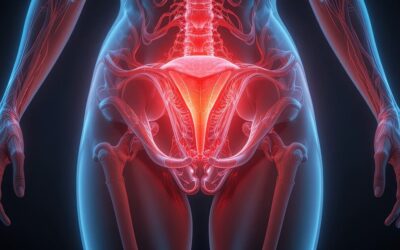
When dealing with chronic pelvic pain, most people naturally look toward gynecological or musculoskeletal causes. However, the body’s systems are closely connected, and in some cases, underlying conditions, like thyroid dysfunction, may play a role in how symptoms develop or persist.
While thyroid conditions are not a direct cause of pelvic venous disease, they can influence circulation, hormone balance, and overall tissue function, all of which may contribute to how pelvic symptoms are experienced. Understanding this connection can help patients take a more complete, informed approach to their health.
Understanding the Thyroid’s Role in the Body
The thyroid is a small gland located in the neck, but it plays a significant role in regulating many important bodily functions. It produces hormones that help control:
- Metabolism
- Energy levels
- Circulation
- Hormonal balance
- Tissue function and repair
When thyroid hormone levels are out of balance, either too high (hyperthyroidism) or too low (hypothyroidism), these systems can be affected in ways that extend beyond the thyroid itself.
How Thyroid Dysfunction Affects Circulation
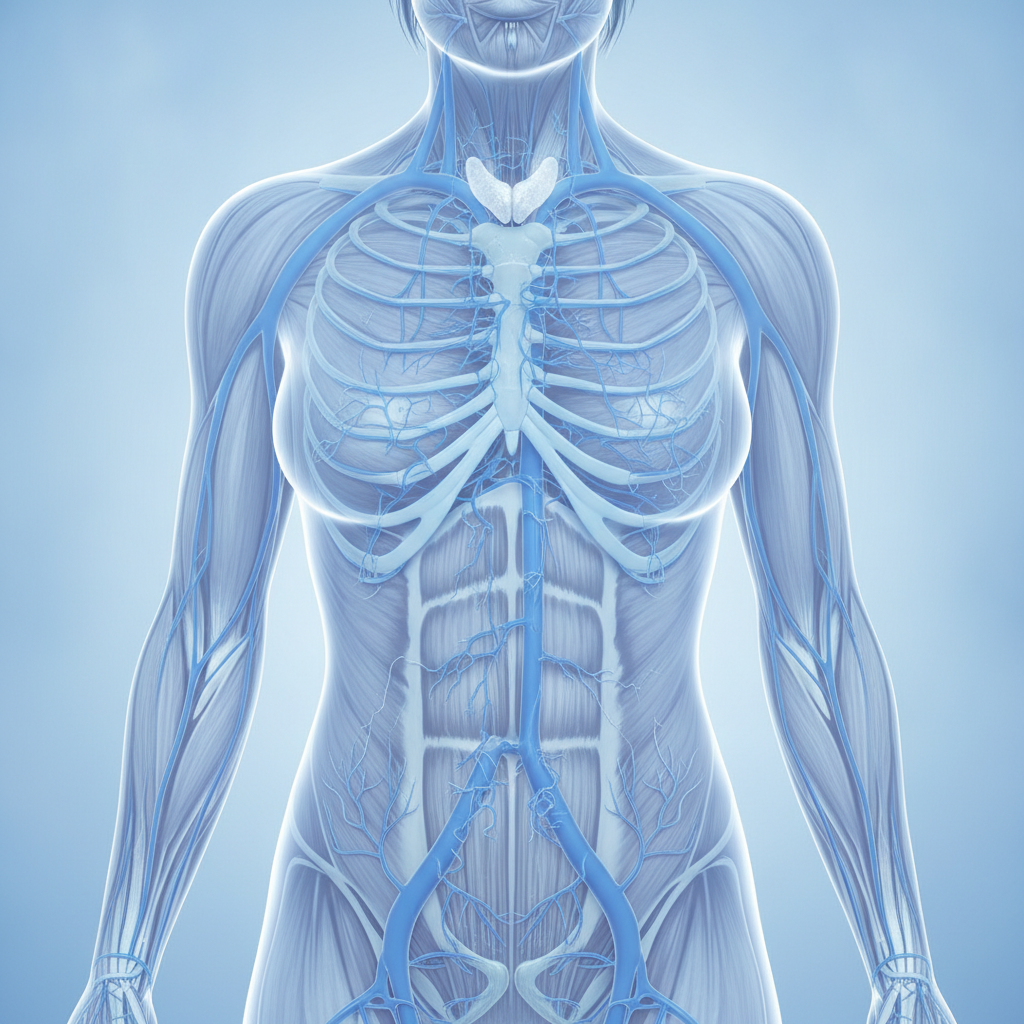
One of the key ways thyroid health may relate to pelvic symptoms is through its impact on the vascular system.
When thyroid function is altered, it can influence:
- Blood vessel tone and elasticity
- Circulation efficiency
- Fluid balance within tissues
For example:
- Hypothyroidism (underactive thyroid) may slow circulation and contribute to fluid retention
- Hyperthyroidism (overactive thyroid) may increase heart rate and alter vascular responsiveness
These changes do not directly cause pelvic venous disease, but they may influence how veins function and how pressure builds within the vascular system.
The Connection Between Hormones and Pelvic Health
Hormonal balance plays an important role in both pelvic health and vein function.
Thyroid hormones interact with other hormone systems in the body, including those that regulate:
- Menstrual cycles
- Reproductive health
- Tissue sensitivity and inflammation
When thyroid levels are not balanced, some patients may notice:
- Changes in menstrual patterns
- Increased sensitivity to pain
- Fluctuations in symptoms throughout the cycle
These shifts can sometimes make pelvic discomfort feel more pronounced or more difficult to manage.
Can Thyroid Dysfunction Contribute to Pelvic Pain?
Thyroid dysfunction is not typically considered a primary cause of chronic pelvic pain. However, it may act as a contributing factor in certain situations.
For example, thyroid-related changes in the body may:
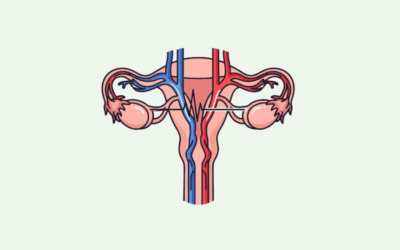
- Influence how blood flows through the pelvic veins
- Affect how tissues respond to pressure or inflammation
- Impact energy levels and overall resilience to chronic discomfort
In patients who already have a vascular condition, such as pelvic venous disease, these factors may contribute to how symptoms are experienced.
Because of this, it can be helpful to consider thyroid health as part of a broader evaluation, especially when symptoms are complex or persistent.
The Importance of a Comprehensive Evaluation
Chronic pelvic pain often has more than one contributing factor, which is why a thorough evaluation is so important.
At California Pelvic Pain Institute, the focus is on identifying underlying vascular causes of pelvic pain, such as pelvic venous disease. At the same time, we recognize that other health factors, including hormonal balance, may influence symptoms.
A comprehensive approach may include:
- Reviewing medical history and symptoms
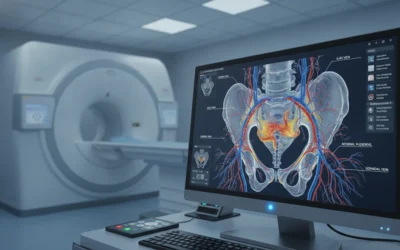
- Evaluating pelvic blood flow through imaging, such as MRI
- Considering hormonal or systemic factors that may affect the body
This type of evaluation helps ensure that nothing is overlooked and that patients receive care tailored to their unique situation.
Working with Multiple Specialists
Because thyroid health and pelvic health involve different systems, care may sometimes involve collaboration between providers.
This can include working with:
- Primary care physicians
- Endocrinologists (thyroid specialists)
- OB-GYN providers
- Pelvic floor therapists
A collaborative approach helps ensure that each aspect of a patient’s health is considered, especially when symptoms may be influenced by more than one condition.
Supporting Vein Health and Overall Well-Being
While thyroid dysfunction alone may not cause pelvic venous disease, maintaining overall health can support the body’s ability to regulate circulation and manage symptoms.
Patients may benefit from:
- Monitoring thyroid hormone levels as recommended by their physician
- Following a treatment plan if a thyroid condition has been diagnosed
- Staying active and maintaining healthy circulation
- Seeking evaluation if pelvic symptoms persist or worsen
Addressing both vascular and systemic health can help create a more complete picture of what may be contributing to symptoms.
When to Seek Further Evaluation
If you are experiencing ongoing pelvic discomfort along with symptoms that may be related to thyroid function, such as fatigue, changes in metabolism, or hormonal fluctuations, it may be helpful to discuss these concerns with your healthcare provider.
You may also consider seeing a specialist if:
- Pelvic pain persists despite prior evaluation
- Symptoms are affecting daily activities or quality of life
- You are looking for a more in-depth understanding of possible causes
A more comprehensive assessment can help determine whether vascular, hormonal, or other factors may be involved.
Moving Toward Clarity and Relief
Living with chronic pelvic pain can feel overwhelming, especially when symptoms do not have a clear explanation. While thyroid dysfunction is not typically the primary cause, it can be one piece of a larger puzzle that influences how the body responds to discomfort.
Understanding these connections can help patients feel more informed and supported as they explore their health.
At California Pelvic Pain Institute, our goal is to help patients move toward clarity, coordination of care, and a better understanding of their symptoms. By looking at both vascular and overall health, we aim to provide guidance that supports long-term comfort and well-being. Contact us today to schedule an appointment and learn more.