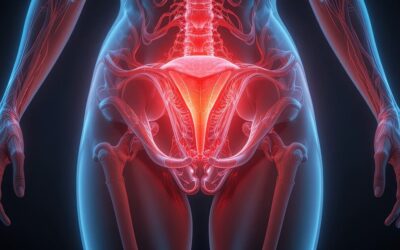
Pelvic pain can have many different causes, making it difficult to know where symptoms are coming from. For some women, discomfort may be occasional and mild. For others, it can become persistent enough to interfere with work, exercise, relationships, and everyday activities.
One of the most common causes of chronic pelvic discomfort is uterine fibroids. Although many fibroids never produce symptoms, others can create significant pressure and pain depending on their size, location, and number. Understanding the connection between fibroids and pelvic pain is an important step toward finding answers and exploring treatment options.
What Are Uterine Fibroids?
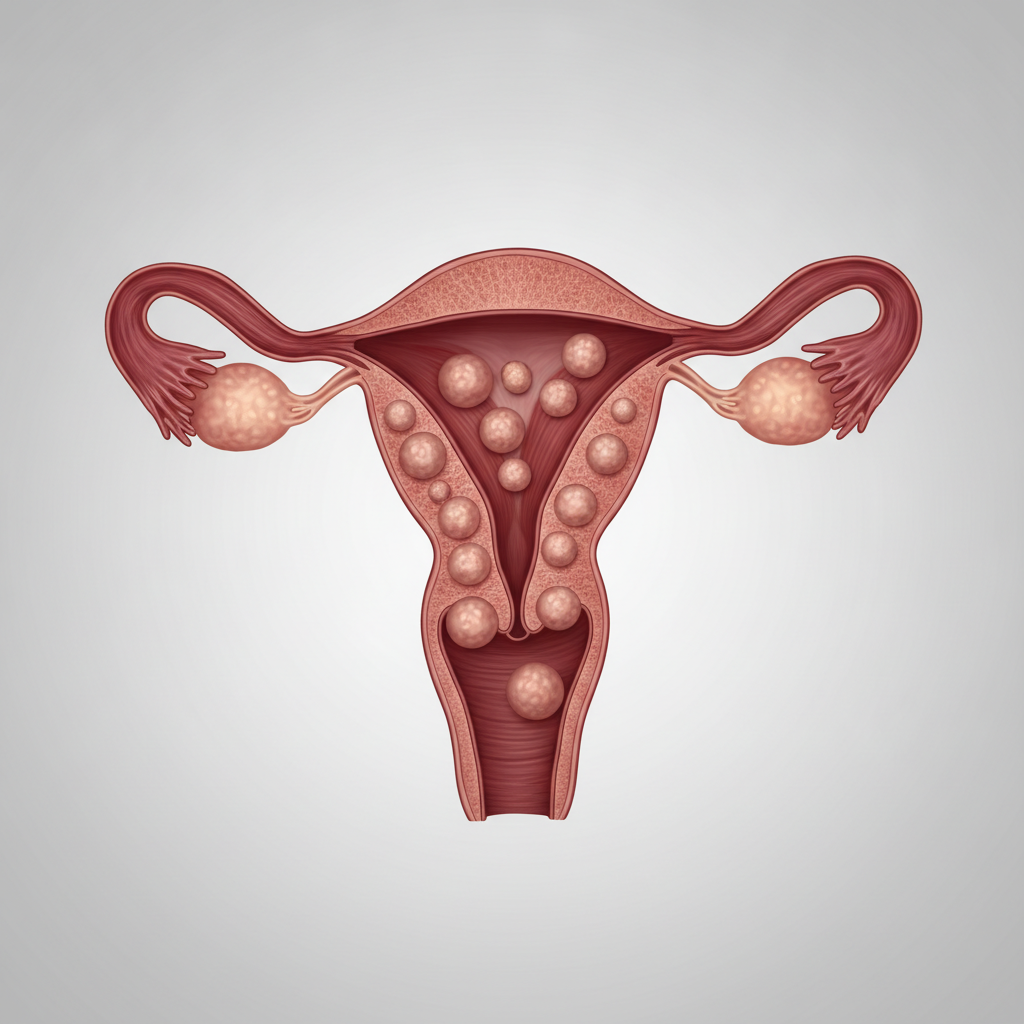
Uterine fibroids are non-cancerous growths that develop within or around the uterus. They are incredibly common, with many women developing fibroids during their reproductive years. Some fibroids remain small and never cause problems, while others continue to grow and begin affecting nearby organs and tissues.
Fibroids vary considerably from person to person. A woman may have a single fibroid or several fibroids of different sizes. Their location within the uterus also plays a significant role in determining whether symptoms develop.
Because fibroids grow gradually, symptoms often appear slowly as well, making them easy to overlook or attribute to other conditions.
Why Do Fibroids Cause Pelvic Pain?
Not every fibroid causes pain, but when symptoms do occur, they are often related to the pressure fibroids place on surrounding structures.
As fibroids enlarge, they can:
- Stretch the uterine wall
- Increase pressure within the pelvis
- Press against nearby organs
- Cause inflammation in surrounding tissues
This combination of factors may lead to dull, aching discomfort that persists throughout the day.
Some women describe the sensation as pelvic heaviness or fullness rather than sharp pain. Others notice discomfort that becomes worse after standing for extended periods, exercising, or during certain times of their menstrual cycle.
The severity of symptoms does not always correspond with the size of the fibroid. Even relatively small fibroids can cause noticeable discomfort if they are located in particularly sensitive areas.
Other Symptoms That Often Accompany Fibroids
Pelvic pain is only one of several symptoms fibroids may produce. Depending on their size and location, fibroids can also contribute to:
- Heavy menstrual bleeding
- Longer menstrual periods
- Pelvic pressure
- Frequent urination
- Constipation
- Lower back discomfort
- Abdominal bloating
- Pain during intercourse
Many women experience several of these symptoms simultaneously, which is why a comprehensive evaluation is important.
When Pelvic Pain May Have Another Cause
Although fibroids are a common source of pelvic discomfort, they are not the only possible explanation.
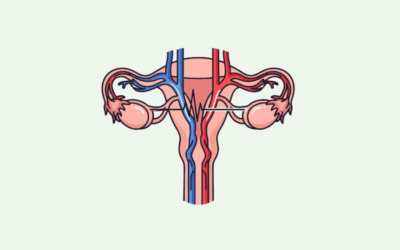
Conditions affecting the pelvic veins can produce symptoms that feel remarkably similar. Pelvic venous disease, for example, occurs when veins within the pelvis become enlarged and inefficient at returning blood to the heart. This can create increased pressure that results in chronic pelvic pain, heaviness, and aching.
Likewise, conditions such as May-Thurner Syndrome, renal vein compression (Nutcracker Syndrome), or gonadal vein insufficiency may also contribute to ongoing pelvic symptoms.
In some cases, a patient may even have both fibroids and a vascular condition at the same time. Because these conditions can overlap, identifying every contributing factor is an important part of creating an effective treatment plan.
How Specialists Differentiate Between Conditions
Since many pelvic conditions share similar symptoms, physicians rely on a combination of medical history, physical examination, and advanced imaging to better understand what is causing discomfort.
Rather than focusing only on one potential diagnosis, specialists evaluate:
- The pattern of symptoms
- When discomfort occurs
- Whether symptoms change with activity or body position
- Menstrual history
- Imaging findings
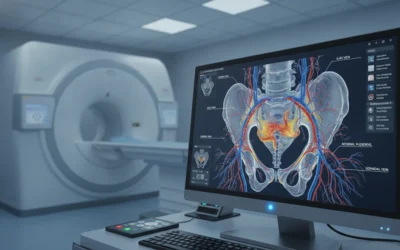
At California Pelvic Pain Institute, MRI imaging plays an important role in evaluating both uterine fibroids and vascular conditions affecting the pelvis. This detailed imaging allows physicians to assess the uterus, pelvic veins, and surrounding anatomy in a single examination, helping ensure that nothing important is overlooked.
Why an Accurate Diagnosis Matters
Finding the true source of pelvic pain is essential because treatment should address the underlying cause and not simply the symptoms.
For example, if fibroids are responsible for a patient’s discomfort, treatment can be directed specifically toward the fibroids. If abnormal blood flow within the pelvic veins is contributing to symptoms, a different minimally invasive treatment approach may be appropriate.
When multiple conditions are present, understanding how they interact allows physicians to develop a more personalized care plan.
Accurate diagnosis also helps patients feel more confident in their treatment decisions by providing a clearer understanding of what is happening within their bodies.
A Collaborative Approach to Women’s Pelvic Health
Pelvic pain rarely fits neatly into one medical specialty. That’s why California Pelvic Pain Institute believes in a collaborative approach to care.
Our physicians work closely with:
- OB-GYN physicians
- Pelvic floor therapists
- Primary care providers
- Other specialists when appropriate
This multidisciplinary approach helps ensure that patients receive a comprehensive evaluation that considers every possible contributor to their symptoms.
Rather than viewing pelvic pain through a single lens, our team looks at the complete picture to help patients move toward meaningful relief.
You Don’t Have to Live with Ongoing Pelvic Pain
Many women assume pelvic discomfort is simply something they have to live with. Others are told that their symptoms are “normal” or that nothing significant can be found.
The reality is that persistent pelvic pain deserves thoughtful evaluation.
Whether symptoms are related to uterine fibroids, pelvic venous disease, or another underlying condition, identifying the cause is often the first step toward improving quality of life.
If your pelvic pain has persisted, changed over time, or begun interfering with your daily routine, it may be time to seek answers.
Take the Next Step Toward Relief
Living with pelvic pain can be physically exhausting and emotionally frustrating, especially when you’re unsure what’s causing it. The good news is that advances in imaging and minimally invasive care have made it possible to diagnose many conditions that were once difficult to identify.
At California Pelvic Pain Institute, we specialize in evaluating both fibroid disease and vascular conditions that contribute to chronic pelvic pain. Our team works collaboratively with OB-GYN physicians, pelvic floor therapists, and other specialists to provide personalized care tailored to each patient’s unique needs.
If you’re experiencing ongoing pelvic discomfort, you don’t have to continue searching for answers alone. Schedule a consultation with California Pelvic Pain Institute to learn more about what may be contributing to your symptoms and explore treatment options designed to help you move toward lasting relief.