Learning that you have uterine fibroids can bring up a lot of questions. One of the most common is, “Do I need treatment?” The answer isn’t always straightforward.
While uterine fibroids are very common, not every fibroid causes symptoms or requires medical intervention. Some women live with fibroids for years without realizing they have them, while others experience symptoms that significantly impact their comfort and quality of life.
Understanding when fibroids may benefit from treatment can help you make informed decisions about your health and know when it’s time to seek further evaluation.
Not Every Fibroid Needs Treatment
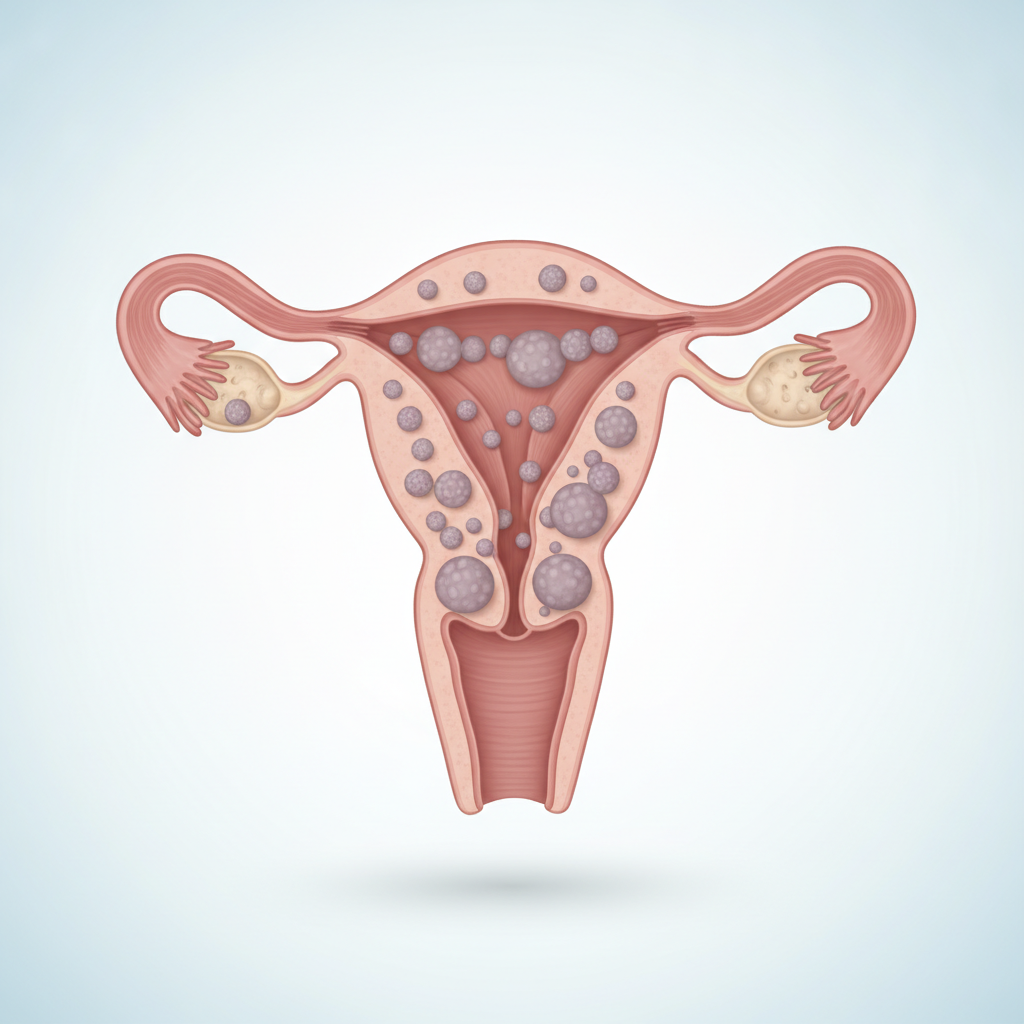
Fibroids are non-cancerous growths that develop within or around the uterus. They can vary in size, number, and location, and each of these factors influences whether they cause symptoms.
Many fibroids are discovered incidentally during routine pelvic exams or imaging performed for another reason. If they are small, stable, and not causing symptoms, treatment may not be necessary.
Instead, your healthcare provider may recommend monitoring the fibroids over time to watch for changes in size or the development of new symptoms.
For many women, observation is an appropriate first step.
When Symptoms Begin Affecting Daily Life
Treatment is often considered when fibroids begin interfering with everyday activities or overall well-being.
Some of the most common symptoms include:
- Heavy or prolonged menstrual bleeding
- Persistent pelvic pressure
- Pelvic pain or discomfort
- Frequent urination
- Constipation caused by pressure on nearby organs
- Lower back discomfort
- Pain during intercourse
Symptoms don’t have to be severe to warrant an evaluation. Even gradual changes that affect your comfort, energy level, or daily routine deserve attention.
If you find yourself planning activities around your menstrual cycle or avoiding certain situations because of pelvic discomfort, it may be time to discuss your options with a specialist.
Heavy Menstrual Bleeding That Impacts Your Health
One of the most common reasons women seek treatment is heavy menstrual bleeding.
Over time, excessive bleeding can lead to:
- Fatigue
- Iron deficiency
- Anemia
- Reduced energy levels
- Difficulty participating in work, exercise, or social activities
Many women assume heavy periods are simply something they have to live with, but persistent bleeding should not be ignored. Identifying whether fibroids are contributing to these symptoms is an important part of determining the most appropriate next steps.
Pelvic Pressure That Doesn’t Go Away
Fibroids don’t always cause sharp pain. In many cases, they create a constant sensation of pressure or heaviness within the pelvis.
This pressure may become more noticeable:
- After standing for extended periods
- During physical activity
- As fibroids gradually increase in size
Some women describe feeling as though there is a weight in their lower abdomen, while others notice increasing bloating or fullness.
When these symptoms begin affecting comfort or daily activities, treatment may become a reasonable consideration.
Changes in Bladder or Bowel Function
Because the uterus sits close to the bladder and bowel, larger fibroids can place pressure on nearby organs.
This may result in:
- Frequent urination
- Difficulty emptying the bladder completely
- Constipation
- A feeling of incomplete bowel movements
Although these symptoms may develop gradually, they can become increasingly disruptive over time.
Addressing the underlying cause may help improve these symptoms while also relieving pelvic pressure.
Fibroids That Continue to Grow
Growth alone does not automatically mean treatment is required, but changes in fibroid size should be evaluated.
Monitoring allows physicians to assess:
- Whether fibroids are remaining stable
- How quickly they are changing
- Whether growth corresponds with worsening symptoms
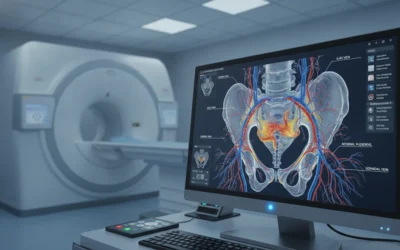
Imaging studies, including MRI, provide valuable information that helps guide treatment decisions and ensures recommendations are based on a complete understanding of each patient’s condition.
Every Woman’s Experience Is Different
One of the reasons fibroid treatment is highly individualized is that symptoms don’t always correlate with fibroid size.
For example:
- A small fibroid located in a sensitive area may cause significant symptoms.
- A much larger fibroid may produce very little discomfort.
The number of fibroids, their location within the uterus, and each woman’s anatomy all influence how symptoms develop.
Rather than focusing solely on imaging findings, physicians consider the entire clinical picture when recommending treatment.
Looking Beyond Fibroids
Although fibroids are a common source of pelvic symptoms, they are not the only possible cause.
Conditions affecting the pelvic veins, including pelvic venous disease, May-Thurner Syndrome, and renal vein compression (Nutcracker Syndrome), can produce symptoms that overlap with fibroid disease.
In some cases, women may have both fibroids and a vascular condition contributing to their discomfort.
That’s why a comprehensive evaluation is so important. Rather than assuming fibroids are solely responsible, specialists look at the broader picture to ensure other contributing factors are not overlooked.
Exploring Your Treatment Options
If treatment is recommended, there are multiple approaches available depending on your symptoms, anatomy, and personal goals.
For many women, minimally invasive treatments offer an effective alternative to traditional surgery.
One option is uterine fibroid embolization (UFE), an image-guided procedure that targets the small branches of the uterine artery supplying the fibroids. By reducing blood flow to the fibroids, they gradually shrink over time while preserving blood flow to the healthy uterus.
Other treatment approaches may also be appropriate depending on your individual situation. Your physician can discuss the benefits and considerations of each option and help determine which aligns best with your needs.
Finding the Right Time to Seek Care
Many women delay seeking treatment because they believe their symptoms aren’t “bad enough” or assume pelvic discomfort is simply a normal part of life.
The reality is that you don’t have to wait until symptoms become severe before talking with a specialist.
If fibroids are beginning to affect your comfort, daily routine, or overall quality of life, an evaluation can provide valuable information, even if treatment isn’t immediately necessary.
Understanding your condition empowers you to make informed decisions about your health and explore options that fit your goals.
Take the Next Step Toward Relief
Living with fibroid-related symptoms can be physically and emotionally draining, especially when they begin to affect your daily life. Whether you’re experiencing heavy menstrual bleeding, persistent pelvic pressure, or ongoing discomfort, you deserve answers and a care plan that’s tailored to your unique needs.
At California Pelvic Pain Institute, we take a collaborative, patient-centered approach to evaluating fibroid disease. Working alongside OB-GYN physicians, pelvic floor therapists, and other specialists when appropriate, our team uses advanced imaging and minimally invasive expertise to help patients better understand their symptoms and explore treatment options with confidence.
If you’re wondering whether it’s time to seek treatment for uterine fibroids, schedule a consultation with us. Together, we can determine the best path forward and help you move toward greater comfort, confidence, and quality of life.