

Pelvic Venous Disease Treatments

Personalized Treatment for Pelvic Venous Disease
At California Pelvic Pain Institute, we specialize in minimally invasive, image-guided procedures designed to address the underlying vascular causes of pelvic pain. These treatments are performed on an outpatient basis and are tailored to each patient’s unique anatomy and imaging findings.
Our approach focuses on treating the source of venous congestion while minimizing disruption to surrounding healthy tissue and supporting a comfortable recovery.
How Pelvic Venous Disease Is Treated
Because every patient is different, treatment recommendations are based on advanced imaging, symptom history, and individual goals.
Over time, these changes in circulation may contribute to pelvic discomfort or other related symptoms.
Vein Embolization
This minimally invasive procedure is designed to close or reduce blood flow through veins that are contributing to venous congestion and increased pressure within the pelvis.
During embolization:

A small catheter is inserted through a tiny access point, typically in the wrist or groin
Advanced imaging is used to guide the catheter to the targeted vein
Specialized embolic materials are placed within the vein to redirect blood flow
Benefits of Embolization
Minimally invasive procedure
No large surgical incisions
Outpatient treatment
Shorter recovery compared to traditional surgery
Targeted treatment focused on the affected veins
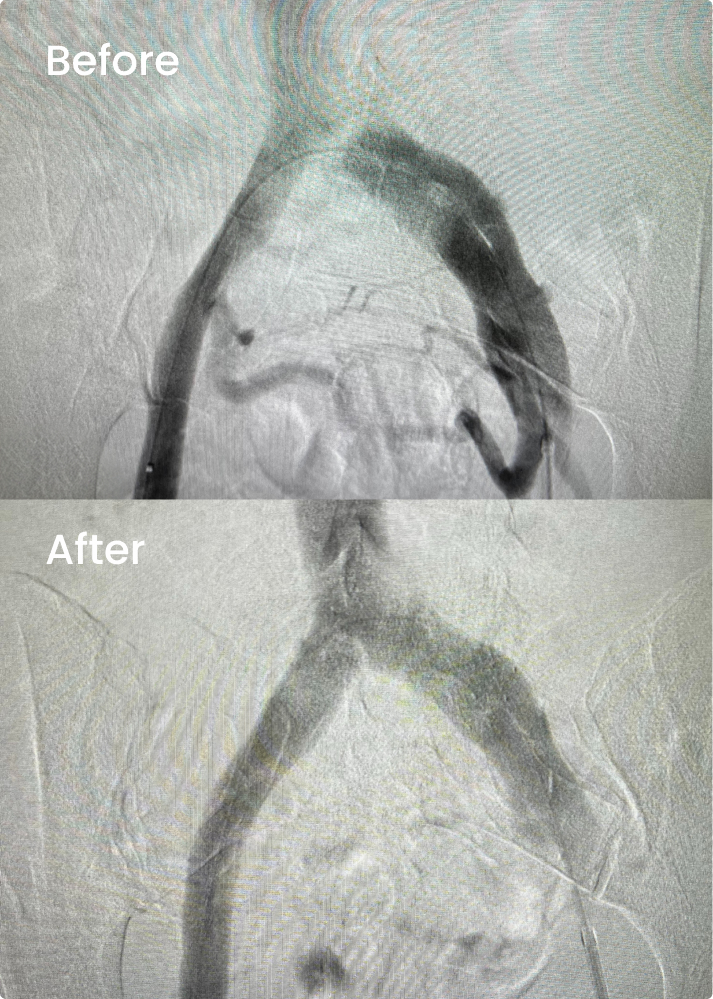
Venous Stenting
A venous stent is a small mesh tube that is placed within the vein to keep it open and improve circulation.
During the procedure:
A catheter is guided to the area of narrowing
Imaging is used to precisely position the stent
The stent expands within the vein to support blood flow
Benefits of Venous Stenting
Restores blood flow through narrowed veins
Improves circulation within the pelvis
Performed through a minimally invasive approach
Outpatient procedure in many cases
Designed for long-term support of the affected vein
Combination Treatment Approaches
Because pelvic venous disease can involve multiple veins and different patterns of blood flow, treatment plans are often customized to address all contributing factors. In certain situations, embolization and venous stenting may be used together to optimize circulation and symptom relief.
Our physicians carefully review imaging findings and discuss treatment recommendations with each patient to ensure the most appropriate approach is selected.


What to Expect During Recovery
Many patients are able to:
Return home the same day
Resume light activities shortly after treatment
Gradually return to normal routines
Recover comfortably in a familiar environment
A Collaborative Approach to Care
At California Pelvic Pain Institute, we work closely with:
Explore Your Treatment Options
Living with chronic pelvic pain can be physically and emotionally challenging, especially when symptoms persist without clear answers. Fortunately, advances in minimally invasive vascular treatment have created new options for addressing the underlying causes of pelvic venous disease.
At California Pelvic Pain Institute, our goal is to help patients understand their options, feel supported throughout the process, and move toward greater comfort and quality of life.
Schedule a consultation today to learn more about the treatment options that may be right for you.